

In high-purity industries such as food, beverage, and pharmaceuticals,
even a single valve failure can trigger costly production downtime or—far worse—batch contamination. As a leading manufacturer,
JIANEN understands that procurement extends far beyond the initial transaction; it is fundamentally about ensuring long-term operational reliability.
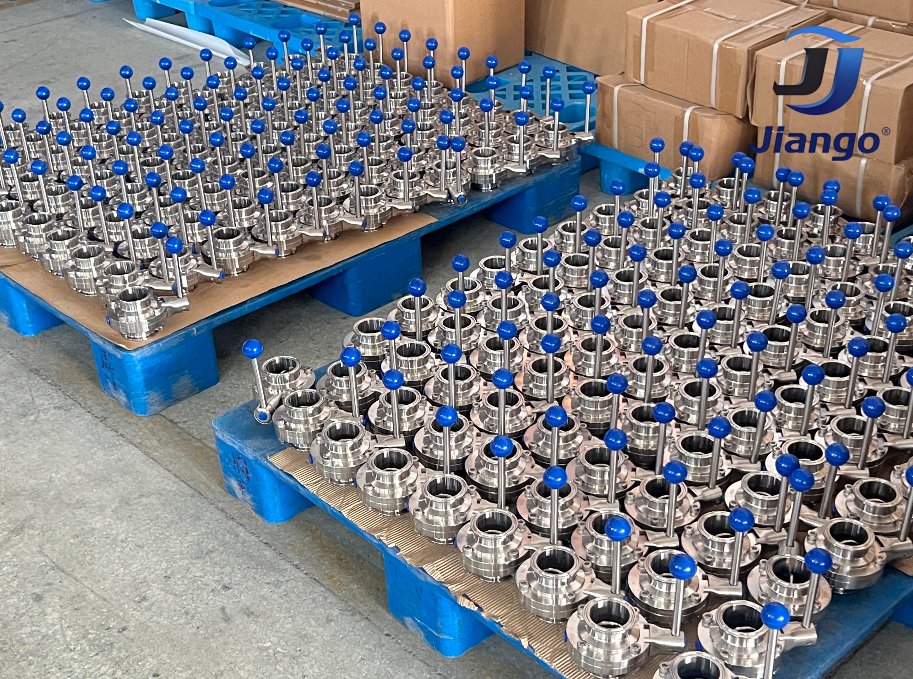
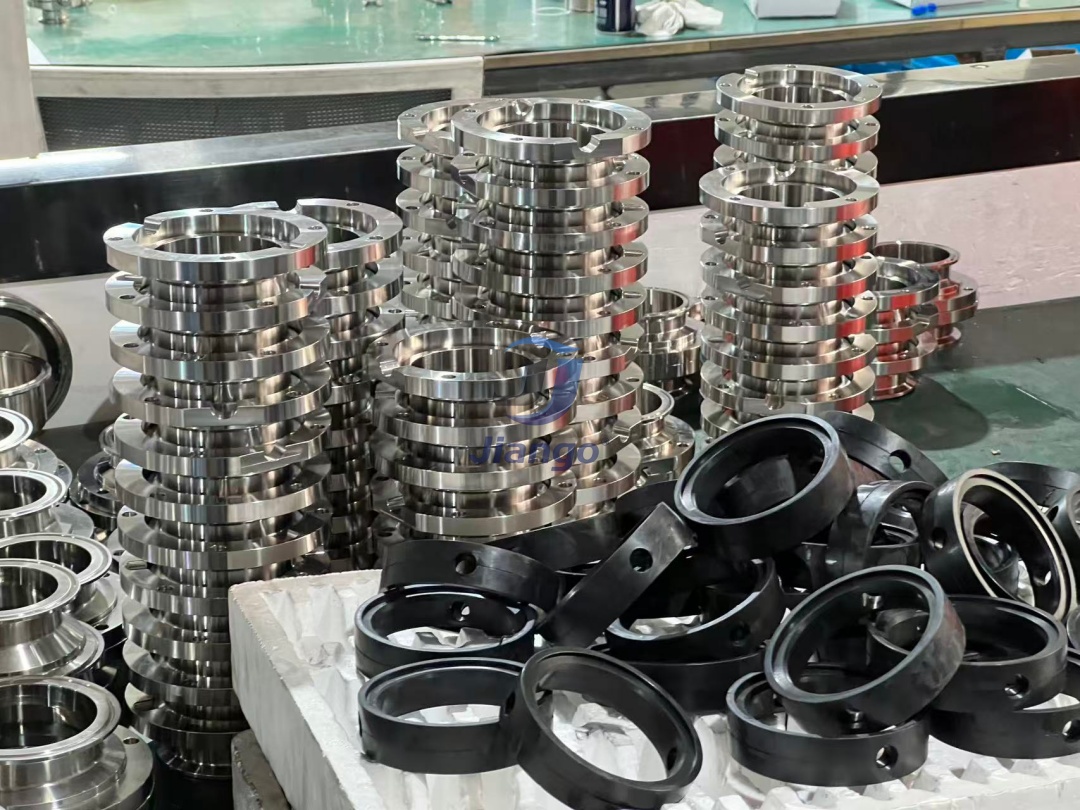
Routine Seal Inspection: Periodically check the EPDM, Silicone, or Viton seats for wear.
In high-frequency scenarios, proactive replacement prevents "unexpected leakage" during critical runs.
Cycle Regularly: Operate the valve fully open and closed at least monthly, even if not in constant use, to prevent sticking and maintain seal integrity.
Optimize CIP/SIP Cycles: Ensure your Clean-in-Place (CIP) chemicals are compatible with the valve’s elastomer materials.
JIANEN valves are designed for high-temperature sterilization, but chemical concentrations must be monitored to prevent seal degradation.
Avoid Over-Torquing: Manual butterfly valves should operate smoothly.
If resistance is felt, do not force the handle. Inspect the internal stem and disc for debris or mineral buildup.
Correct Installation: Ensure the pipe is properly aligned. Stress on the valve body from misaligned piping is a leading cause of premature seat failure.
Depressurize & Purge: Always relieve system pressure and purge the valve before any inspection or maintenance.
Why Choose JIANEN?
JIANEN valves are engineered for low-maintenance longevity, reducing your "Total Cost of Ownership."
Stop reacting to failures and start optimizing.