

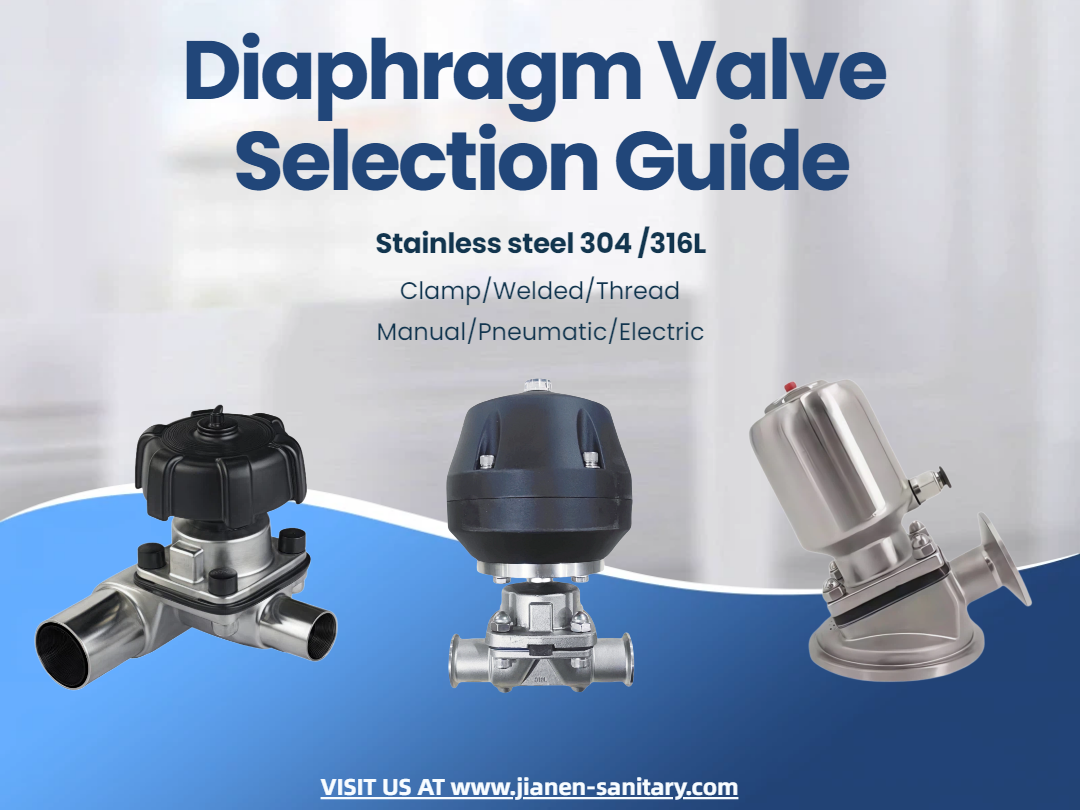
Choosing the right sanitary diaphragm valve is essential for maintaining hygiene,
flow control, and system reliability in food, beverage, pharmaceutical, and biotechnology applications.
When selecting a diaphragm valve, connection type and actuation method are two key factors to consider.
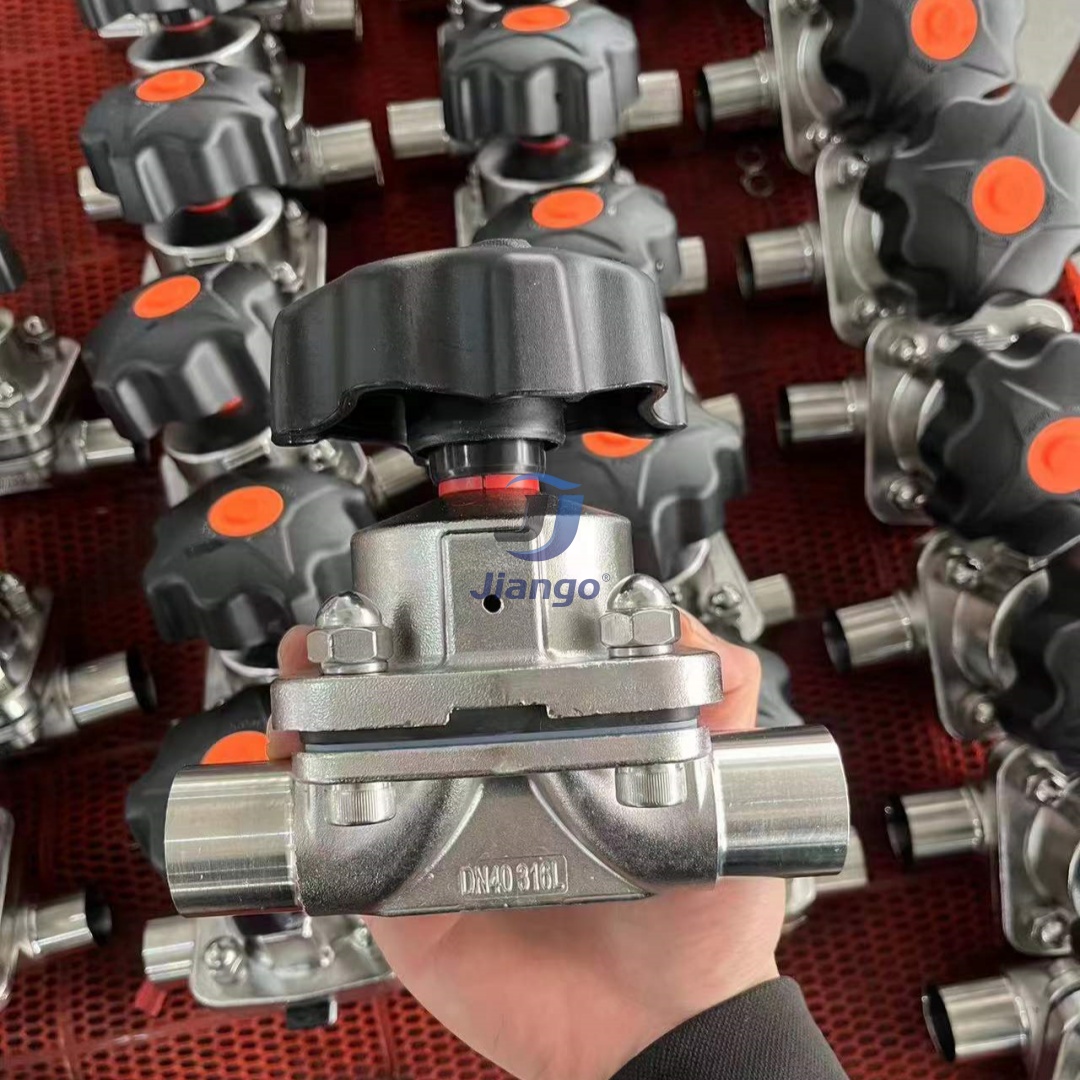 Connection Type
The connection type affects installation, cleaning efficiency, and system compatibility.
1.Tri-Clamp (Quick-Install)
Widely used in sanitary piping systems, tri-clamp diaphragm valves allow quick installation and easy disassembly. They are ideal for applications requiring frequent cleaning or inspection.
2.Butt-Weld
Welded sanitary diaphragm valves provide a permanent, leak-free connection. This option is preferred in high-hygiene environments where CIP/SIP performance and minimal dead space are critical.
3.Threaded/Flanged
These connections are less common in strict sanitary applications but may be used in specific industrial systems where compatibility with existing pipelines is required.
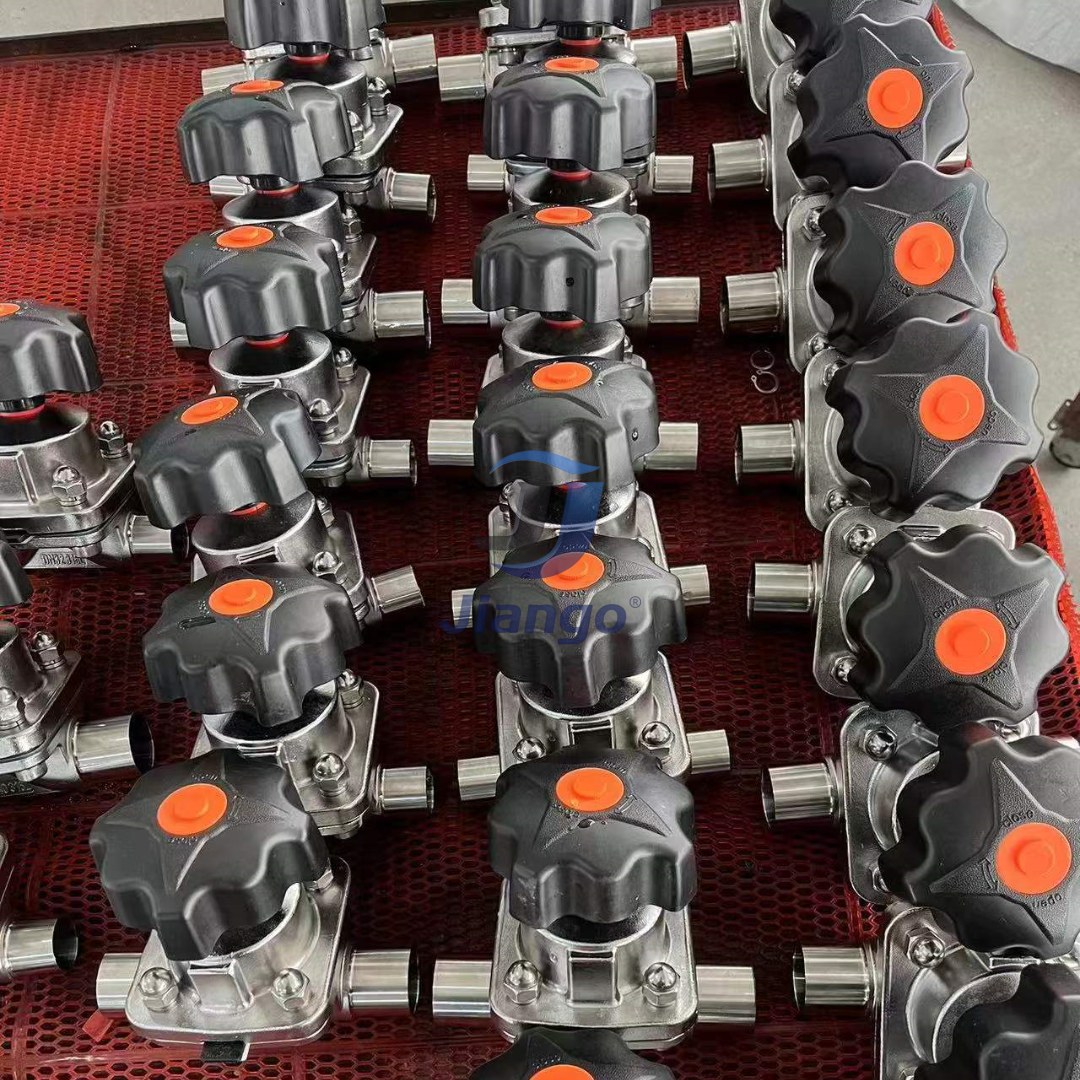
Actuation Method
Depending on the level of automation required, diaphragm valves can be configured for different control needs:1.Manual Diaphragm Valve
Simple and cost-effective, manual diaphragm valves are suitable for systems with low automation requirements and infrequent operation.
2.Pneumatic Diaphragm Valve
Essential for automated process lines.It enables fast response, consistent control, and easy integration with control systems.
3.Electric Diaphragm Valve
Electric actuators are used where precise positioning or remote control is required, though they are less common in high-moisture sanitary environments.
At JIANEN, we offer precision-designed sanitary diaphragm valves that meet stringent hygiene standards, ensuring zero contamination and long-term reliability.