

Proper installation helps ensure sealing performance, prevent contamination, and extend the diaphragm valve's lifespan.
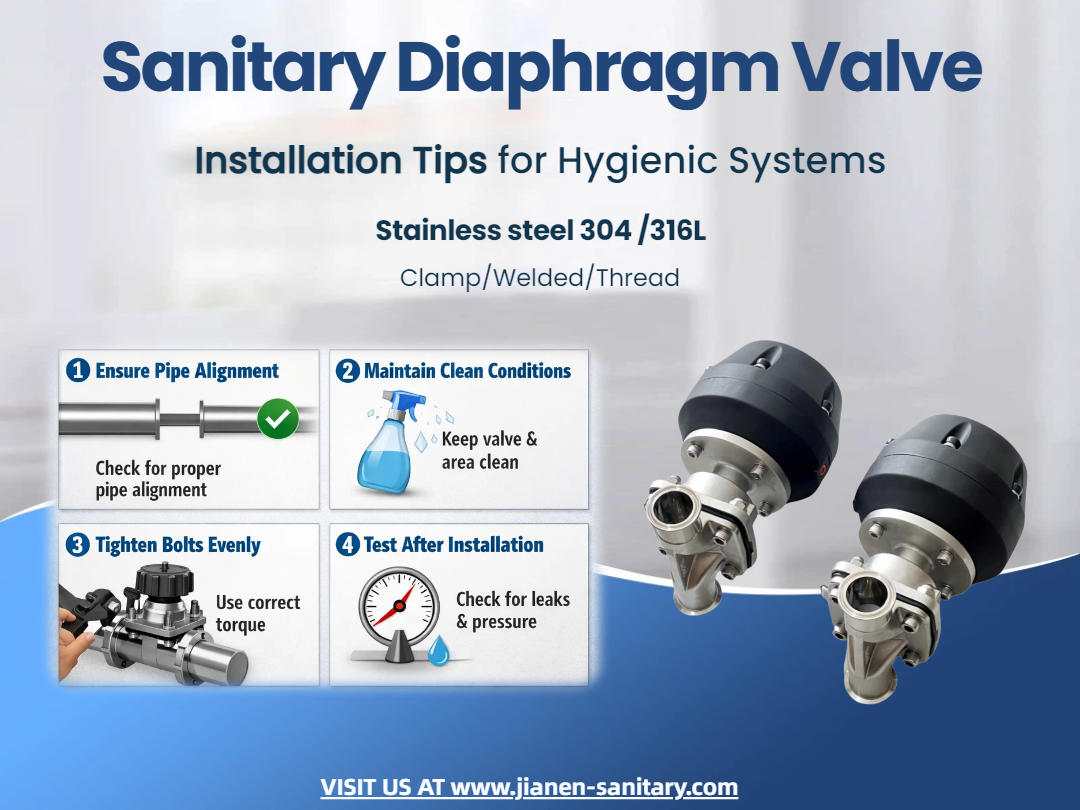
The following are some key points to consider when installing stainless steel sanitary diaphragm valves:
1. Ensure Proper Piping Alignment
Before installation, check that the piping is correctly aligned. Misalignment can put pressure on the valve body and diaphragm, affecting sealing performance and durability.
2. Maintain a Clean Installation Environment
Cleanliness is crucial for sanitary systems. Before installation, ensure that the sanitary valve, piping, and diaphragm are clean and free of debris.
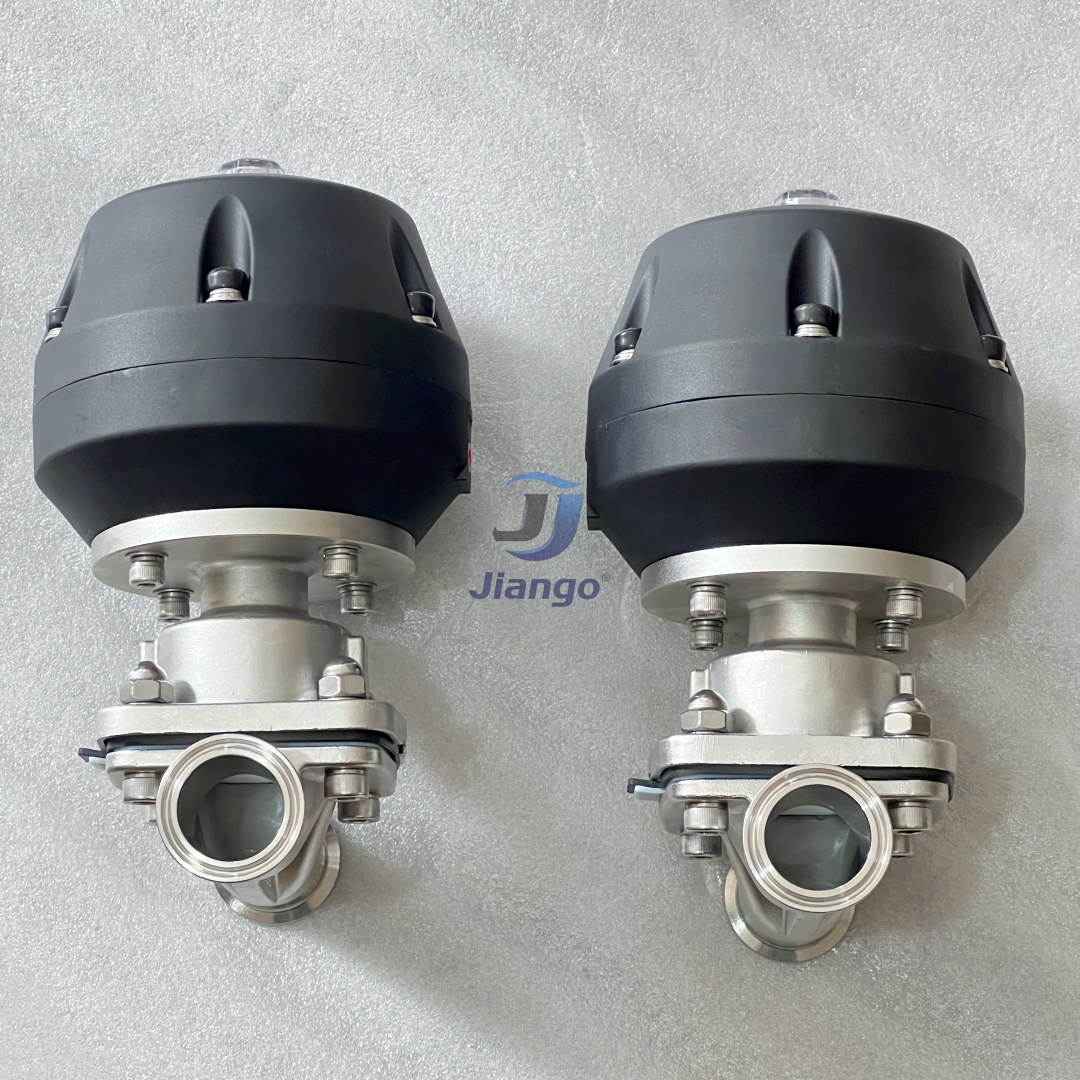
3. Tighten Bolts Evenly
The bolts should be tightened evenly, following the recommended torque values. Over-tightening or uneven pressure can damage the diaphragm or cause leaks.
4. Test the System After Installation
After installation, perform pressure and leak tests to confirm that the sanitary diaphragm valve is functioning correctly.
Frequently Asked Questions
Can sanitary diaphragm valves be installed in any orientation?
Yes, but it is recommended to install them in a location that facilitates inspection and maintenance.
Why is proper installation important?
Proper installation helps maintain sanitary standards and ensures reliable valve performance.