

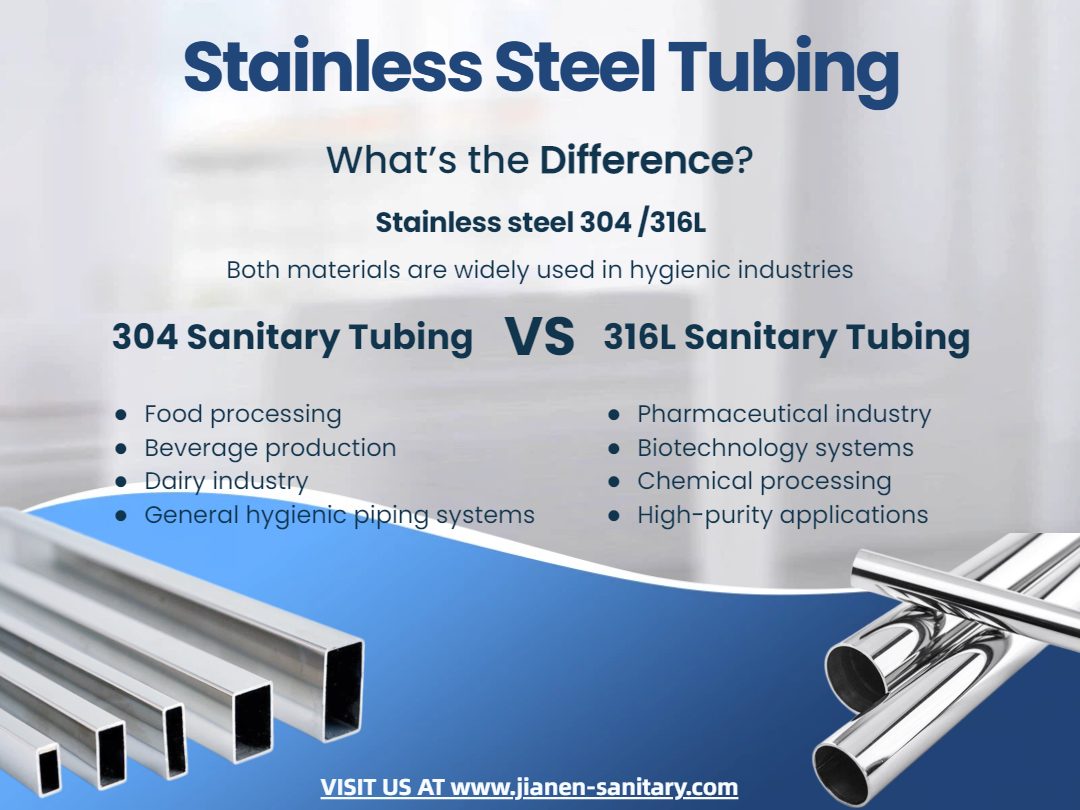
316L and 304 stainless steel sanitary tubing are the most commonly used materials in hygienic piping systems.
Both offer excellent corrosion resistance and durability, but they are designed for different applications and environments.
 Material Composition
The main difference between 304 and 316L stainless steel sanitary tubing lies in their chemical composition:
304 Stainless Steel: Contains chromium and nickel, suitable for general applications
316L Stainless Steel: Contains molybdenum, providing enhanced corrosion resistance
The added molybdenum in 316L sanitary tubing makes it more resistant to chemicals, acids, and chloride environments.
Corrosion Resistance
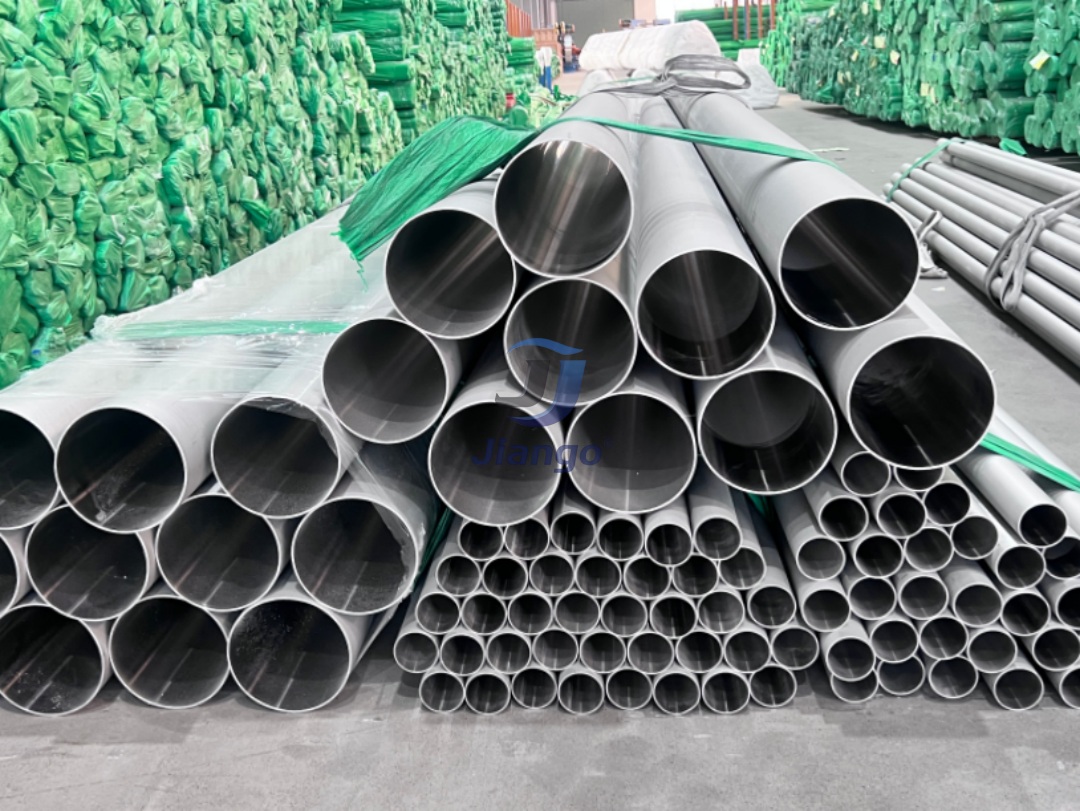
304 Stainless Steel Tubing: Suitable for standard food and beverage applications
316L Stainless Steel Tubing: Better for harsh environments, such as pharmaceutical, chemical, and marine applications
316L is especially ideal for high-corrosion environments where product purity is critical.
Hygienic Applications
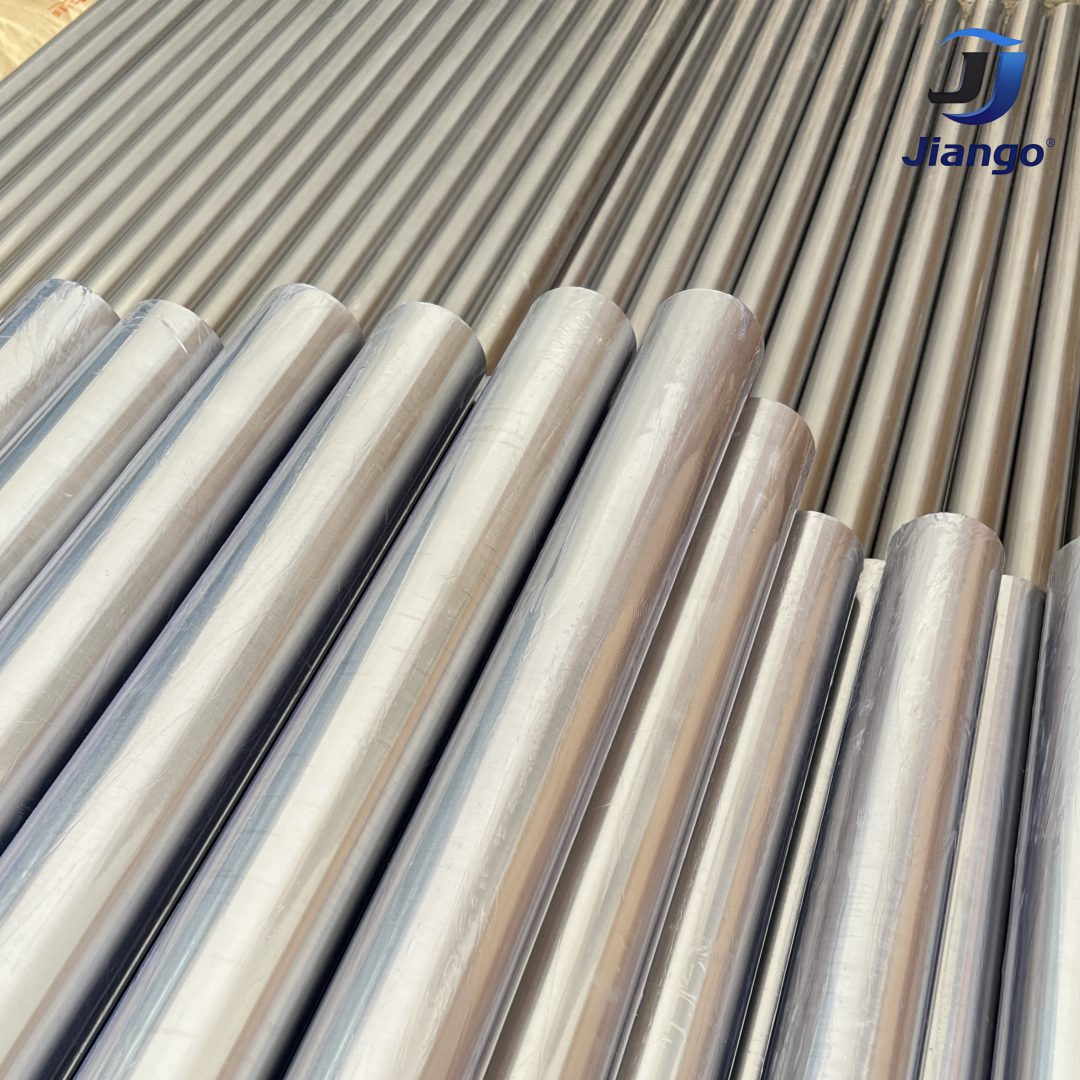
Both materials are widely used in hygienic industries:
Both 304 and 316L sanitary tubing offer excellent weldability and smooth surface finishes, making them suitable for CIP (Clean-in-Place) and SIP (Sterilization-in-Place) systems.
However, 316L stainless steel tubing has lower carbon content, reducing the risk of corrosion after welding.
Conclusion
Choosing between 316L and 304 stainless steel sanitary tubing depends on your application requirements.
Choose 304 for general hygienic applications
Choose 316L for higher corrosion resistance and demanding environments
Both options provide reliable performance, durability, and hygienic safety in sanitary piping systems.
Keywords: 316L stainless steel tubing, 304 stainless steel tubing, stainless steel sanitary tubing, sanitary tubing, hygienic tubing, food grade stainless steel tubing, stainless steel pipe, sanitary pipe, dairy tubing, pharmaceutical tubing, stainless steel piping system