

Stainless steels 304 and 316L are widely used in sanitary piping systems, offering excellent corrosion resistance, mechanical strength, and durability.
Understanding their parameters helps ensure reliable performance in food, beverage, dairy, and pharmaceutical applications.
Chemical Composition
| Element | 304(%) |
316L(%) |
|
Chromium (Cr) |
18–20 |
16–18 |
|
Nickel (Ni) |
8–10.5 |
10–14 |
|
Carbon (C) |
≤0.08 |
≤0.03 |
|
Molybdenum (Mo) |
— |
2–3 |
|
Manganese (Mn) |
≤2 |
≤2 |
|
Silicon (Si) |
≤1 |
≤1 |
|
Phosphorus (P) |
≤0.045 |
≤0.045 |
|
Sulfur (S) |
≤0.03 |
≤0.03 |
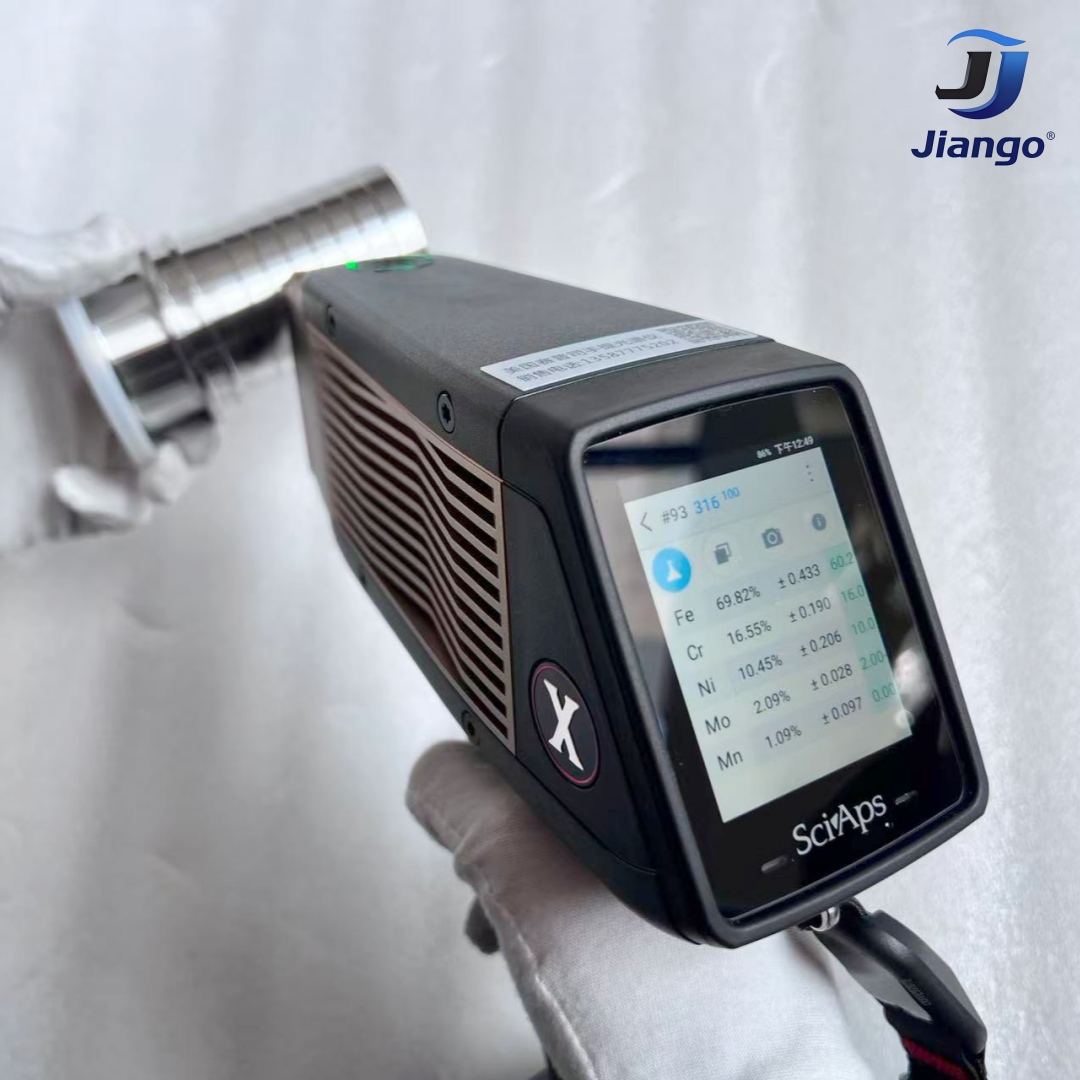
316L offers enhanced corrosion resistance due to the addition of molybdenum, making it suitable for more aggressive environments.
Mechanical Properties
| Property |
304 |
316L |
|
Tensile Strength |
≥515 MPa |
≥485 MPa |
|
Yield Strength |
≥205 MPa |
≥170 MPa |
|
Elongation |
≥40% |
≥40% |
|
Hardness |
≤201 HB |
≤179 HB |
Both materials provide reliable strength and ductility, with 316L slightly softer but more resistant to corrosion in chloride-rich environments
 Key Applications
- Sanitary pipe fittings and tubing
- Valves and pumps
- Food and beverage processing
- Dairy and brewery systems
- Pharmaceutical equipment
- Water treatment systems
Conclusion
304 is a cost-effective solution for general sanitary applications, while 316L is preferred for highly corrosive or demanding environments. Choosing the right material ensures durability, hygiene, and long-term performance in sanitary piping systems