

In hygienic processing industries, surface roughness is a critical factor in maintaining cleanliness and product safety.
Stainless steel sanitary components with a smooth finish help minimize contamination risks and improve overall system efficiency.
 What Is Surface Roughness?
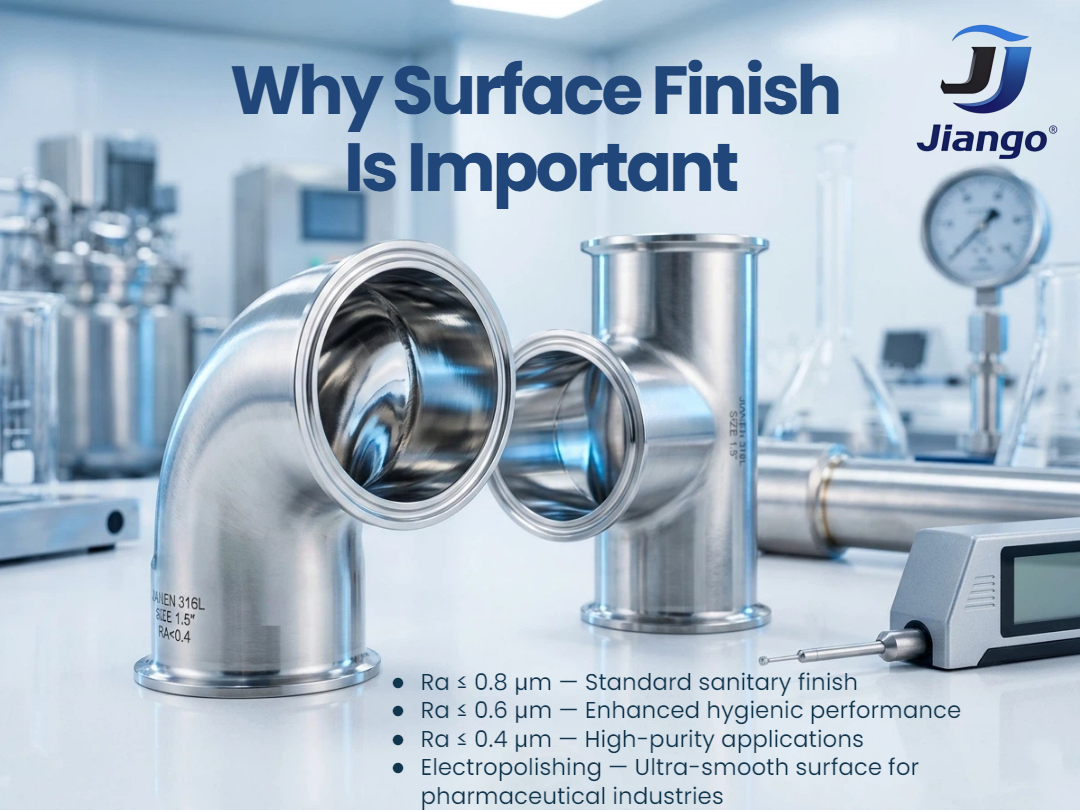
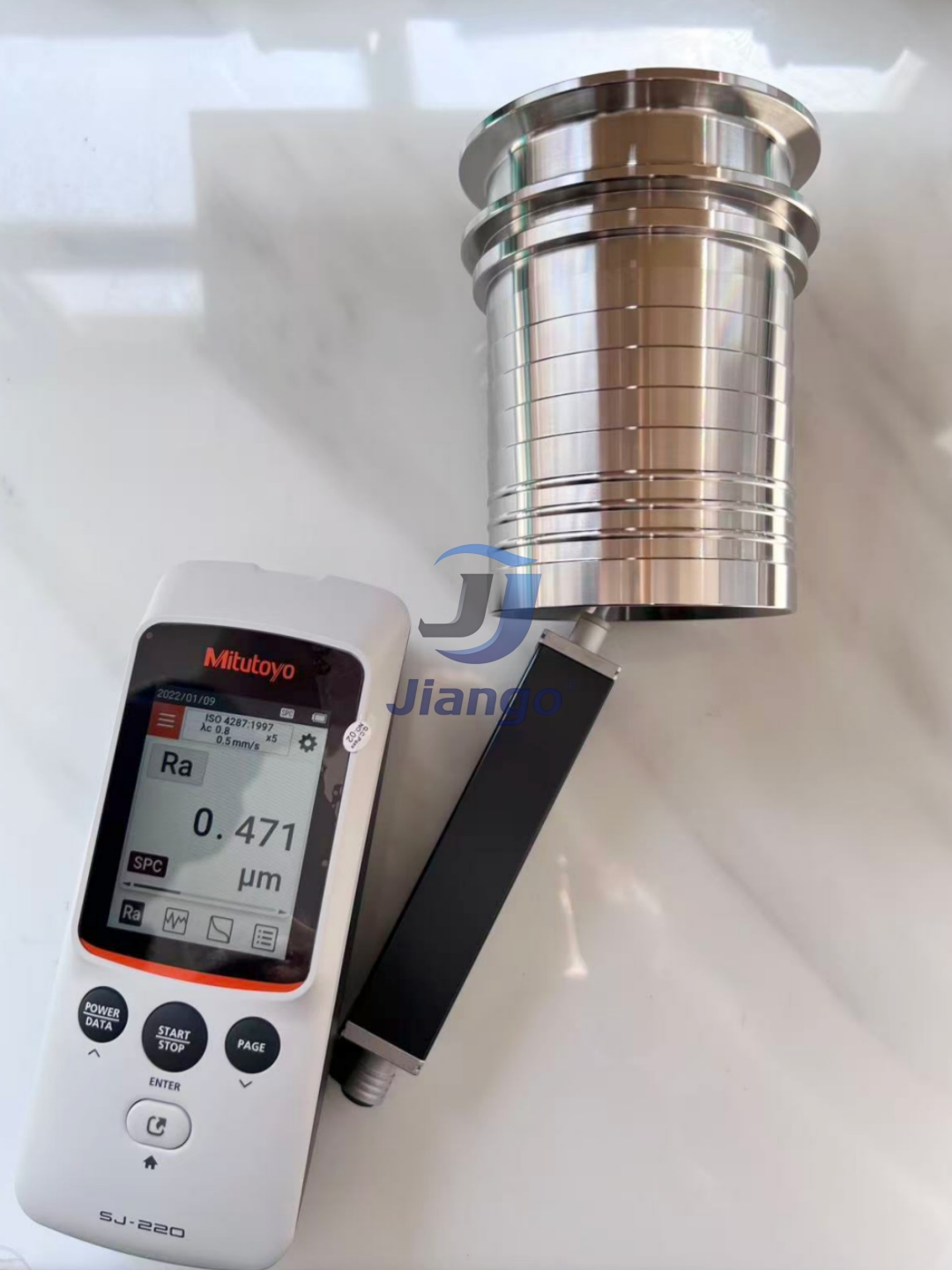
Surface roughness, commonly measured as Ra (Roughness Average), indicates how smooth the internal surface of stainless steel components is. A lower Ra value means a smoother surface, which is essential for sanitary applications.
Common surface finish standards include:
Ra ≤ 0.8 μm — Standard hygienic finish
Ra ≤ 0.6 μm — Improved cleanability
Ra ≤ 0.4 μm — High purity environments
Electropolished surface — Ultra-clean applications
These standards are widely used in industries that require strict hygiene control.
 Benefits of High-Quality Surface Finish
A well-polished sanitary surface provides several key benefits:
Minimizes bacterial growth
Reduces product residue accumulation
Improves CIP cleaning efficiency
Enhances corrosion resistance
Increases equipment durability
These advantages help reduce maintenance costs and improve production reliability.
ANAMX Quality Commitment
At ANAMX, we focus on delivering high-quality sanitary stainless steel components with controlled surface finish:
Precision polishing technology
Electropolishing available upon request
Strict quality inspection process
100% product testing before shipment
We are committed to providing reliable sanitary solutions for hygienic industries worldwide.
Keywords : Sanitary Stainless Steel, Surface Roughness, Hygienic Stainless Steel, Sanitary Pipe Fittings, Stainless Steel 316L, Electropolished Stainless Steel, Food Grade Stainless Steel, Sanitary Tubing, Hygienic Valves, Sanitary Equipment