

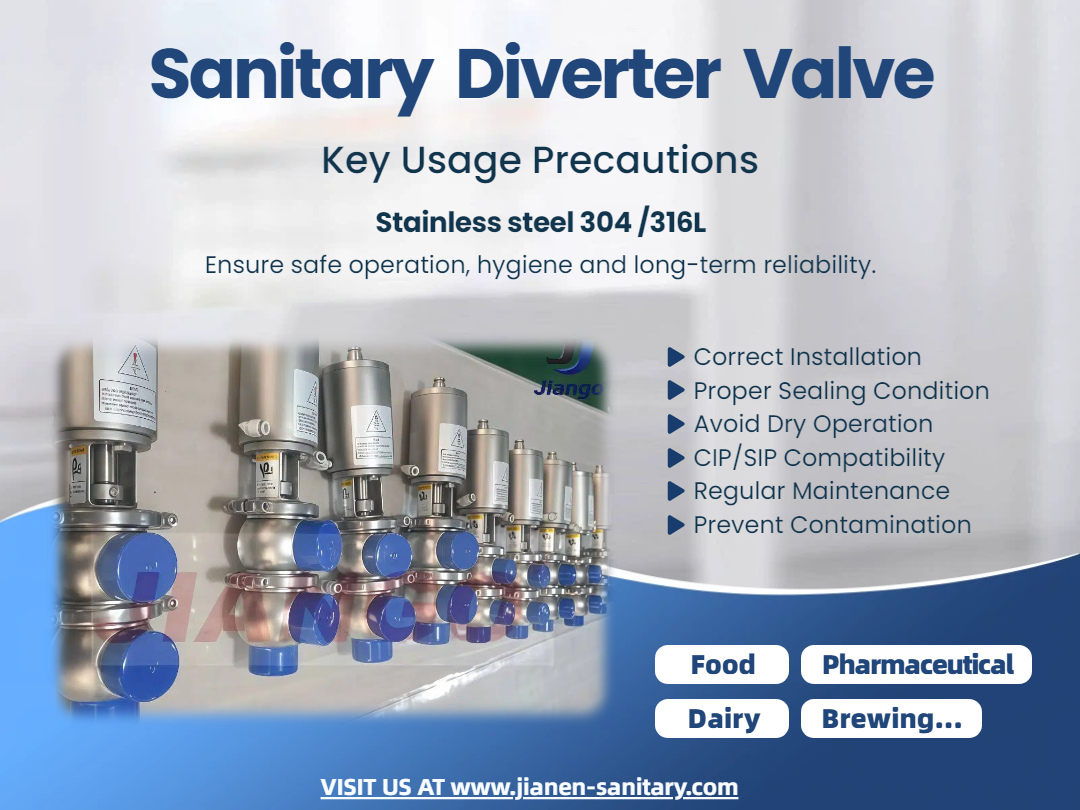
A Sanitary Divert Valve is widely used in hygienic processing systems to redirect flow between different pipelines.
To ensure long-term performance and hygiene safety, proper operation and maintenance are essential.
 1. Correct Installation
Ensure the valve is installed according to flow direction markings. Misalignment may affect sealing performance and cause leakage or contamination risk.
2. Proper Sealing Condition
Regularly check sealing materials such as EPDM or PTFE. Damaged or aged seals should be replaced immediately to maintain hygienic integrity.
3. Avoid Dry Operation
Do not operate the valve without medium unless it is designed for dry switching. Dry friction may damage internal components.
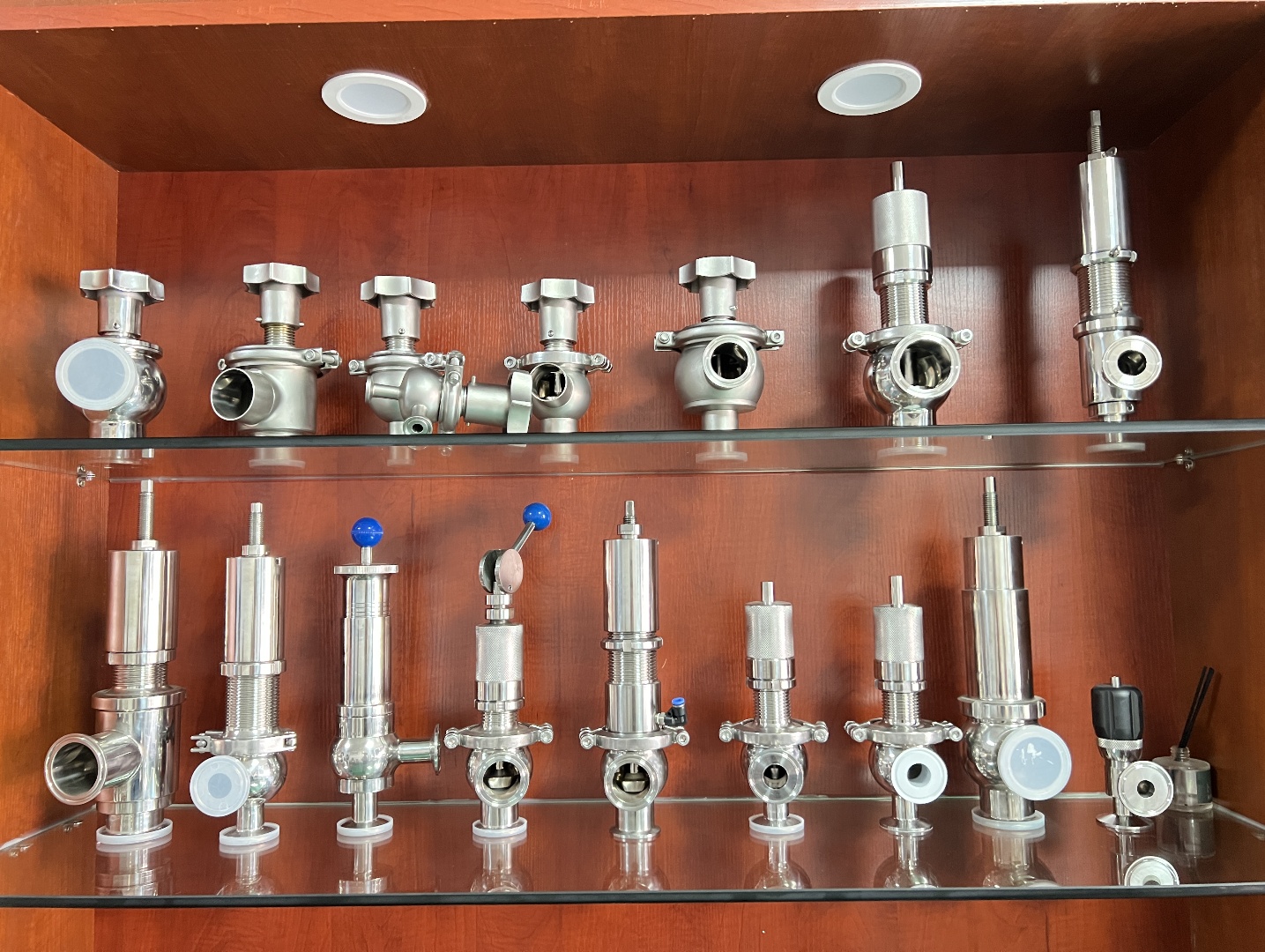 4. CIP/SIP Compatibility
During Clean-in-Place (CIP) or Sterilize-in-Place (SIP) processes, ensure temperature and chemical concentration remain within recommended limits to protect valve surfaces and seals.
5. Regular Maintenance
Inspect actuator performance, valve switching position, and surface cleanliness periodically to ensure stable and reliable operation.
6. Prevent Contamination
Always ensure the pipeline system is properly flushed before and after operation to avoid cross-contamination between product lines.
Proper use of a Sanitary Divert Valve not only extends equipment lifespan but also ensures consistent hygiene and process safety in food, beverage, and pharmaceutical applications.
Keywords: Sanitary Divert Valve, Hygienic Valve Operation, CIP System Valve, Stainless Steel Divert Valve, Flow Control Valve Maintenance