

Choosing the right Stainless steel sanitary pump is essential for improving production efficiency, maintaining hygienic standards,
and reducing maintenance costs in food, beverage, dairy, pharmaceutical, and cosmetic industries.
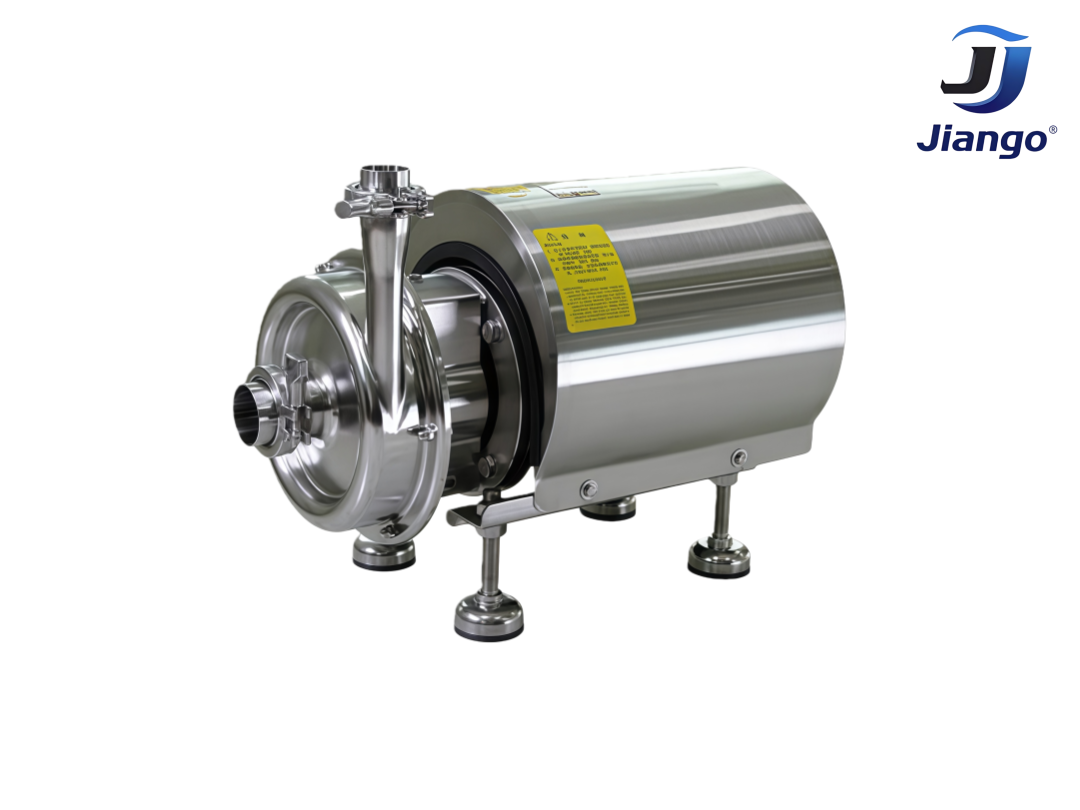
A high-quality stainless steel sanitary pump ensures stable fluid transfer, CIP cleaning compatibility, and long service life.
 1. Choose the Right Material
For hygienic applications, SS304 and SS316L stainless steel are the most common materials. SS316L sanitary centrifugal pumps are highly recommended for industries requiring higher corrosion resistance, such as pharmaceutical processing and dairy production.
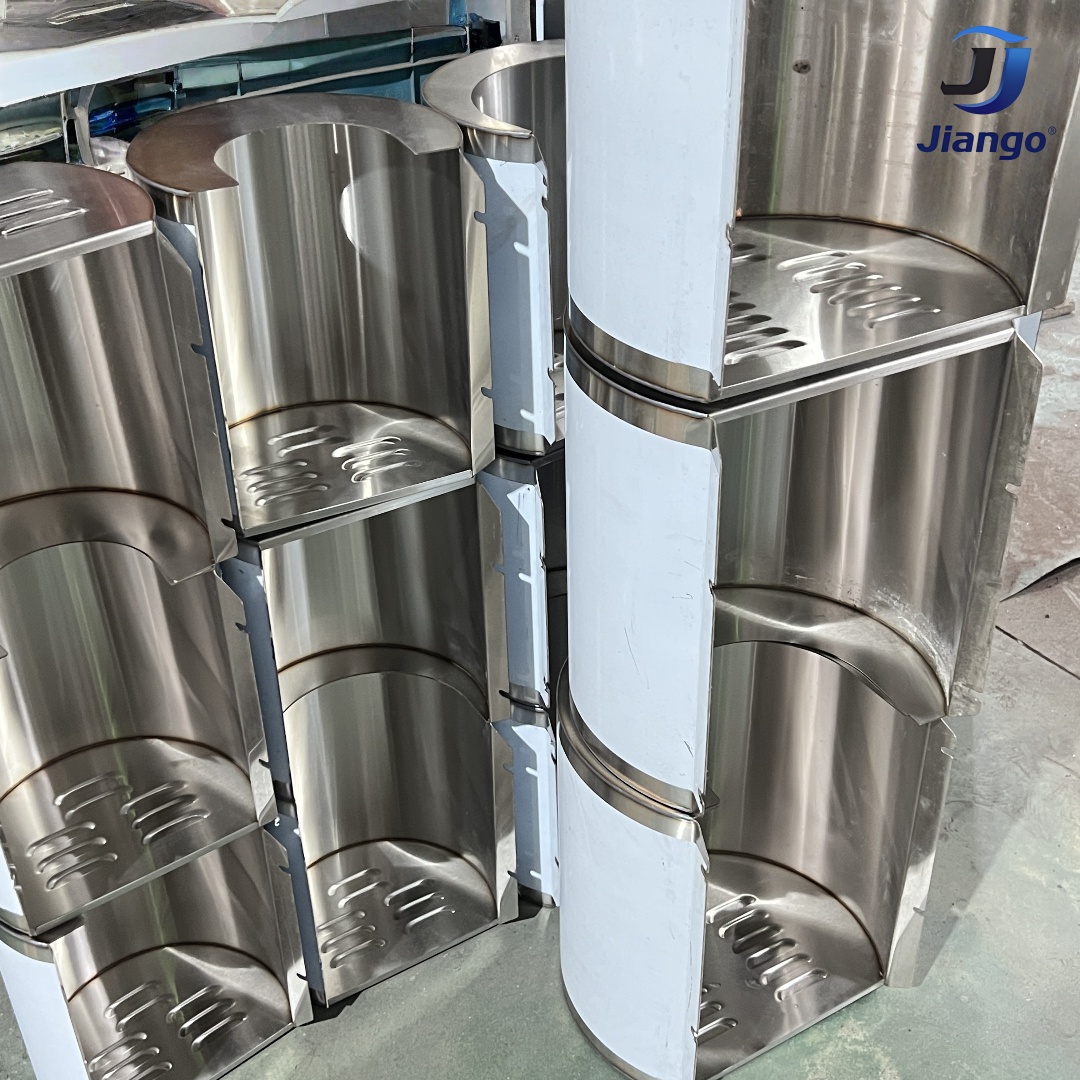
2. Check Surface Finish Requirements
Surface finish directly affects cleanliness and product safety. Most sanitary pump systems use:
BA Finish
Polished Finish
Electropolished (EP) Finish
A smoother internal surface helps reduce residue buildup and supports efficient CIP/SIP cleaning processes.
 3. Confirm Flow Rate and Pressure
Before purchasing, determine:
Flow capacity
Working pressure
Liquid viscosity
Pipeline size
Selecting the correct sanitary process pump improves efficiency and prevents unnecessary energy consumption.
Conclusion
A suitable sanitary centrifugal pump can improve production reliability, reduce downtime, and maintain high hygiene standards. When selecting a stainless steel hygienic pump, always consider material, surface finish, flow requirements, and connection standards to ensure long-term performance.
For industries such as food processing, beverage production, dairy, and pharmaceuticals, investing in a high-quality sanitary centrifugal pump is a smart long-term solution.