

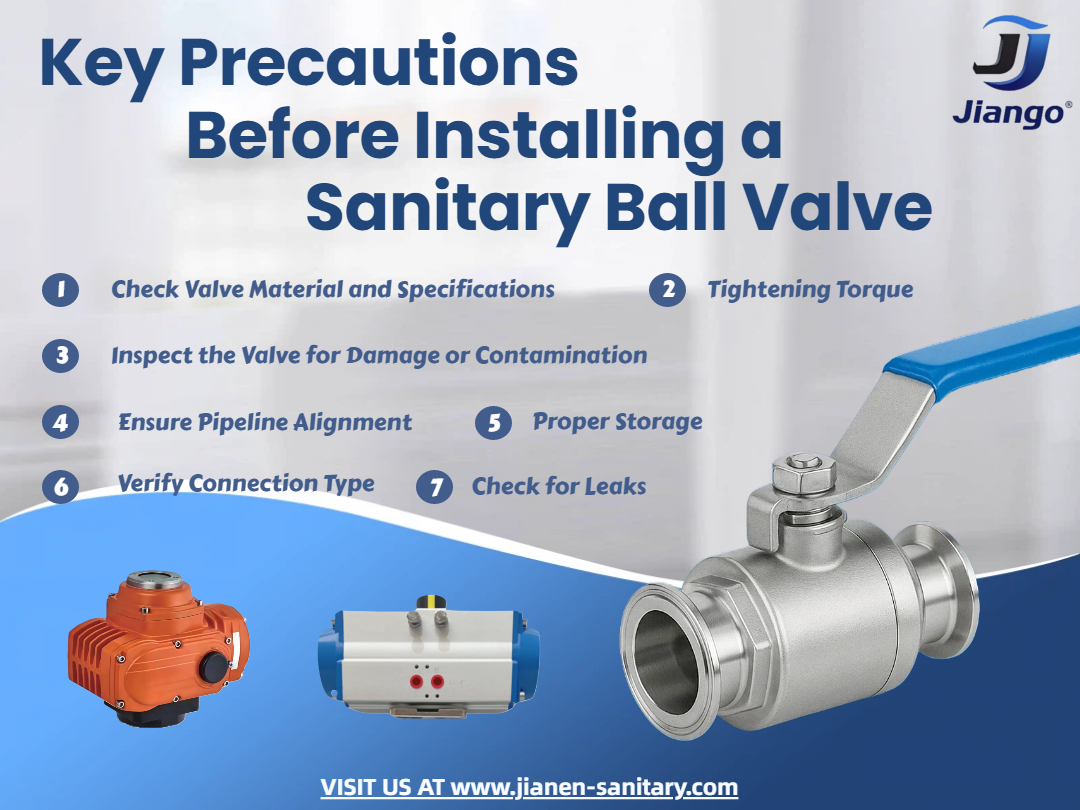
Proper preparation before installing a sanitary ball valve is essential for ensuring safe operation in food, beverage, dairy, brewery, and pharmaceutical processing systems.
Following the right steps helps protect your stainless steel sanitary valve and ensures long-term performance.
1. Check Valve Material and Specifications
Confirm that the 316/316L stainless steel sanitary ball valve, PTFE seats, and seals match your process requirements. Compatibility with sanitary pipelines, CIP/SIP systems, and hygienic equipment is crucial.
2.Proper Storage
Ensure that the sanitary ball valve is stored in a clean and dry environment.
3. Inspect the Valve for Damage or Contamination
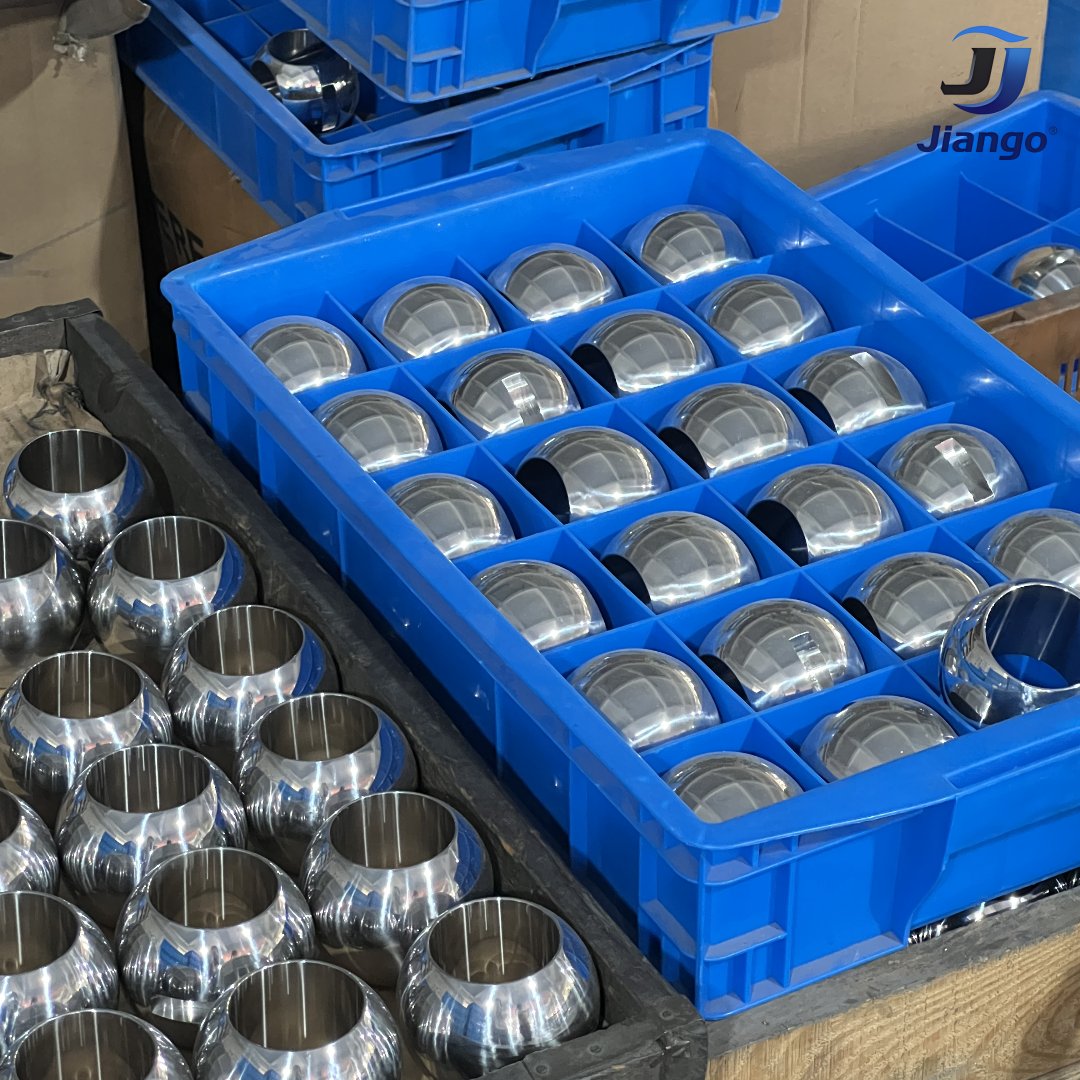
Before installation, make sure the valve body, ports, and tri-clamp ferrules are clean, undamaged, and free from debris. Keeping the valve hygienic prevents contamination in sanitary processing lines.
 4. Verify Connection Type
Identify whether you are installing a tri-clamp sanitary ball valve, welded ball valve, or threaded sanitary valve. Using the correct sanitary fittings ensures leak-free installation and stable operation.
5. Ensure Pipeline Alignment
Improper alignment of sanitary piping can cause stress, vibration, and premature wear. Make sure the pipeline is stable and properly supported before tightening connections.
6.Tightening Torque
Follow the manufacturer's guidelines for tightening torque when connecting the sanitary ball valve to the pipeline. Over-tightening can damage the valve, while under-tightening may result in leaks.
7.Check for Leaks
After installation, conduct a leak test to verify the integrity of the sanitary ball valve and its connections. Address any leaks immediately.
By following these precautions and choosing reliable sanitary valve manufacturers, you can ensure a smooth installation and long-term equipment reliability.