

- Home
- >
- Products >
- Sanitary Valve >
- Sanitary Check Valve
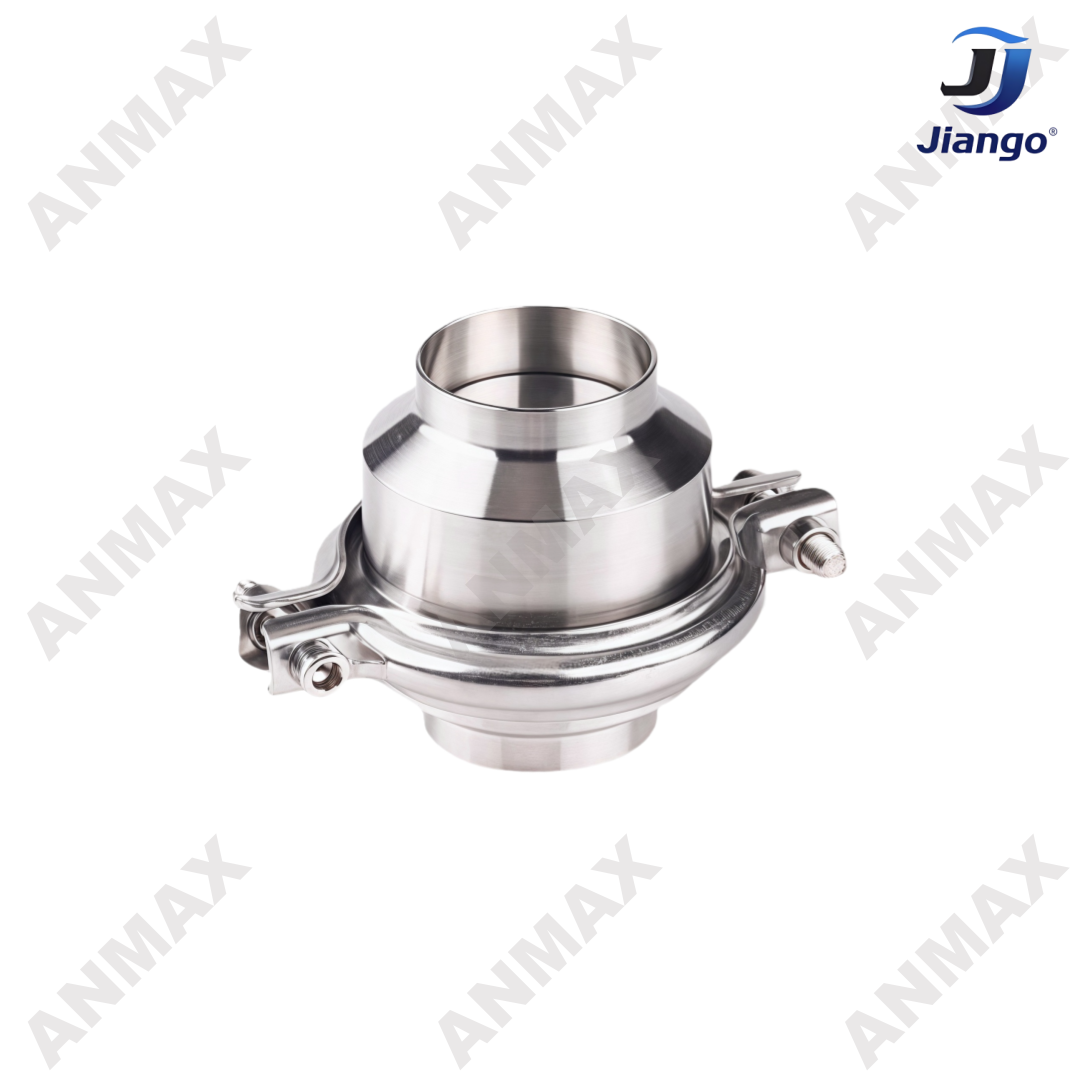
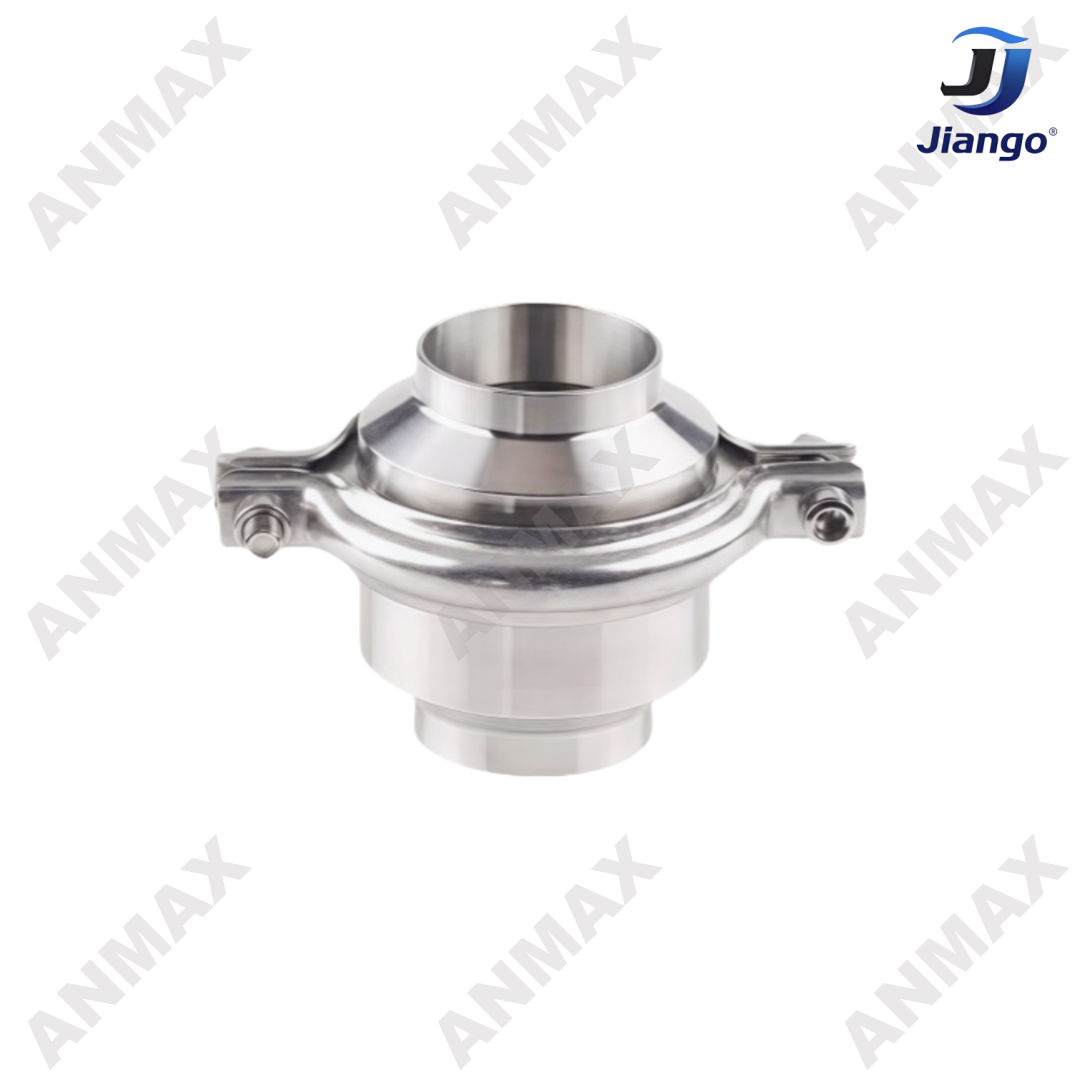
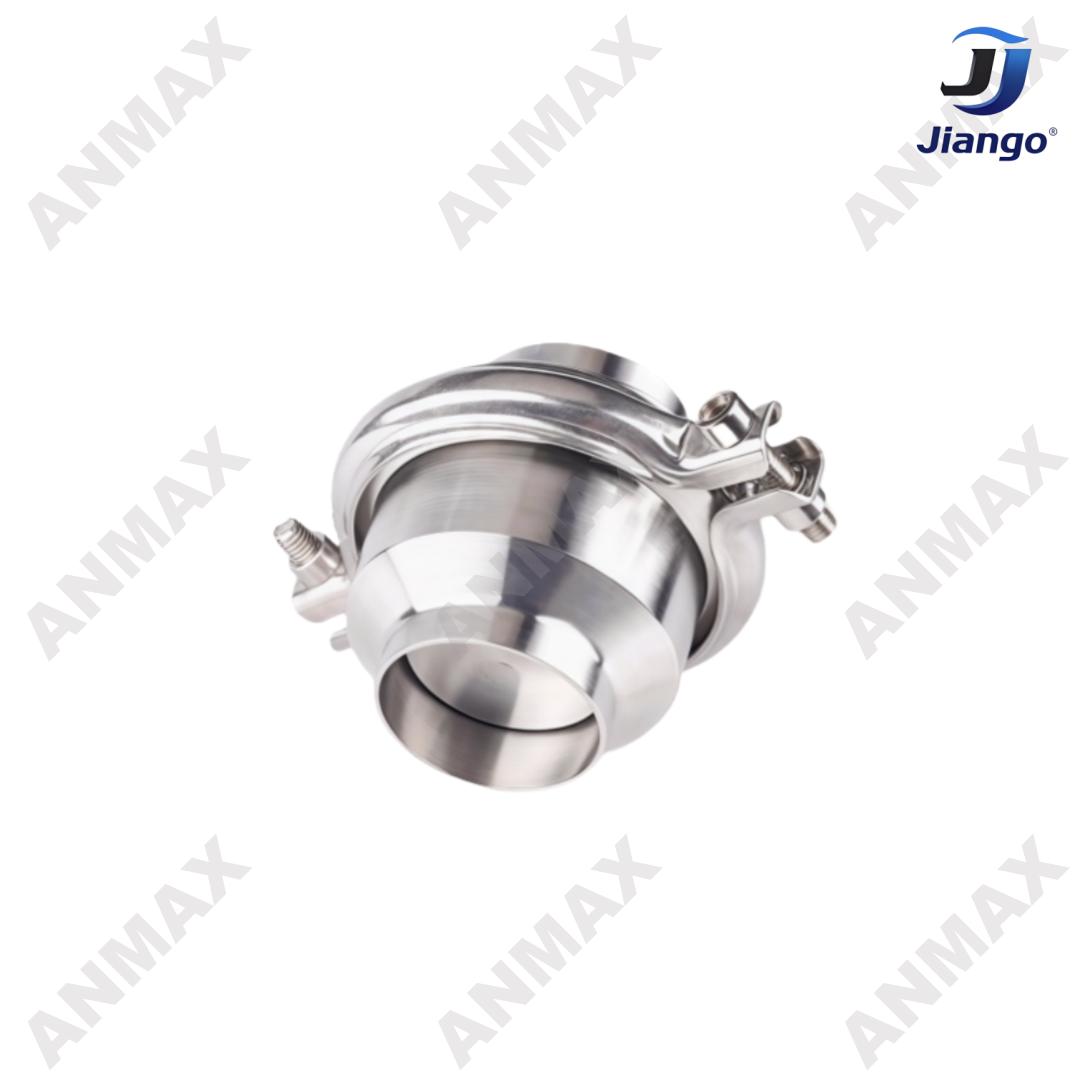
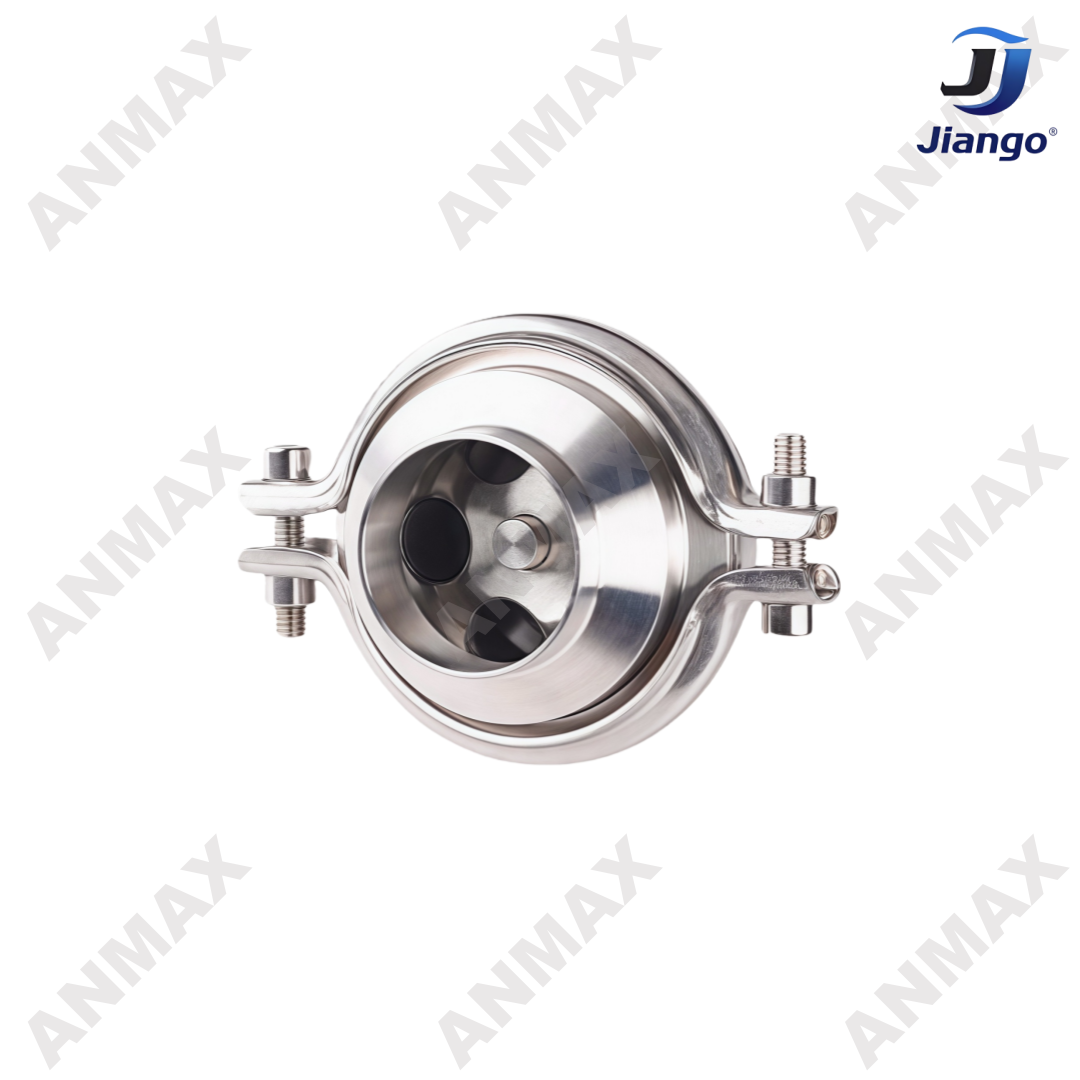
Sanitary Non Return Welded End Spring Check Valve
Material : Stainless Steel 304 or 316L
Size : 1"-4",DN25-DN100
Connection : Clamp
100% tested and inspected
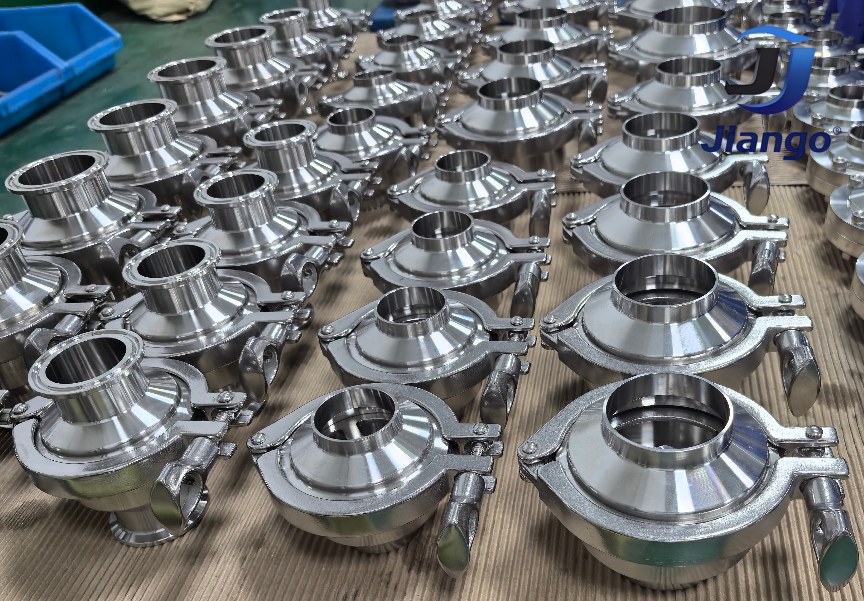
Check valves are designed to prevent backflow. Both concentric and eccentric styles, along with our conical disc design, are suitable for horizontal and vertical applications. They perform reliably under back pressure without leakage.
ANMAX sanitary check valves are applicable in numerous industries, including food, dairy, beverage, pharmaceutical, chemical, and many others.
Sanitary Butt-weld Check Valve Working Principle
Sanitary check valve opens when the pressure below the valve plug exceeds the pressure above the valve plug and the spring force. The valve close when pressure equalization has been achieved.
|
Name |
Sanitary Butt-Weld Check Valve |
|
Material |
Stainless Steel 304 or 316L |
|
Size |
1"-4",DN25-DN100 |
|
Seal |
EPDM, Silicon, PTFE or on request |
|
Surface |
Ra16-32µin (0.4-0.8µm) |
|
Max Pressure |
10Bar |
|
Working Temperature |
-10°C ~ +120°C |
|
Way of Connection |
Tri-Clover/Clamp End,Butt Weld End,Threaded |
|
Standards |
3A/DIN/SMS/RJT/ISO/IDF |
|
Package |
Foam bag/shrink bag-carton box-ply woodencase |
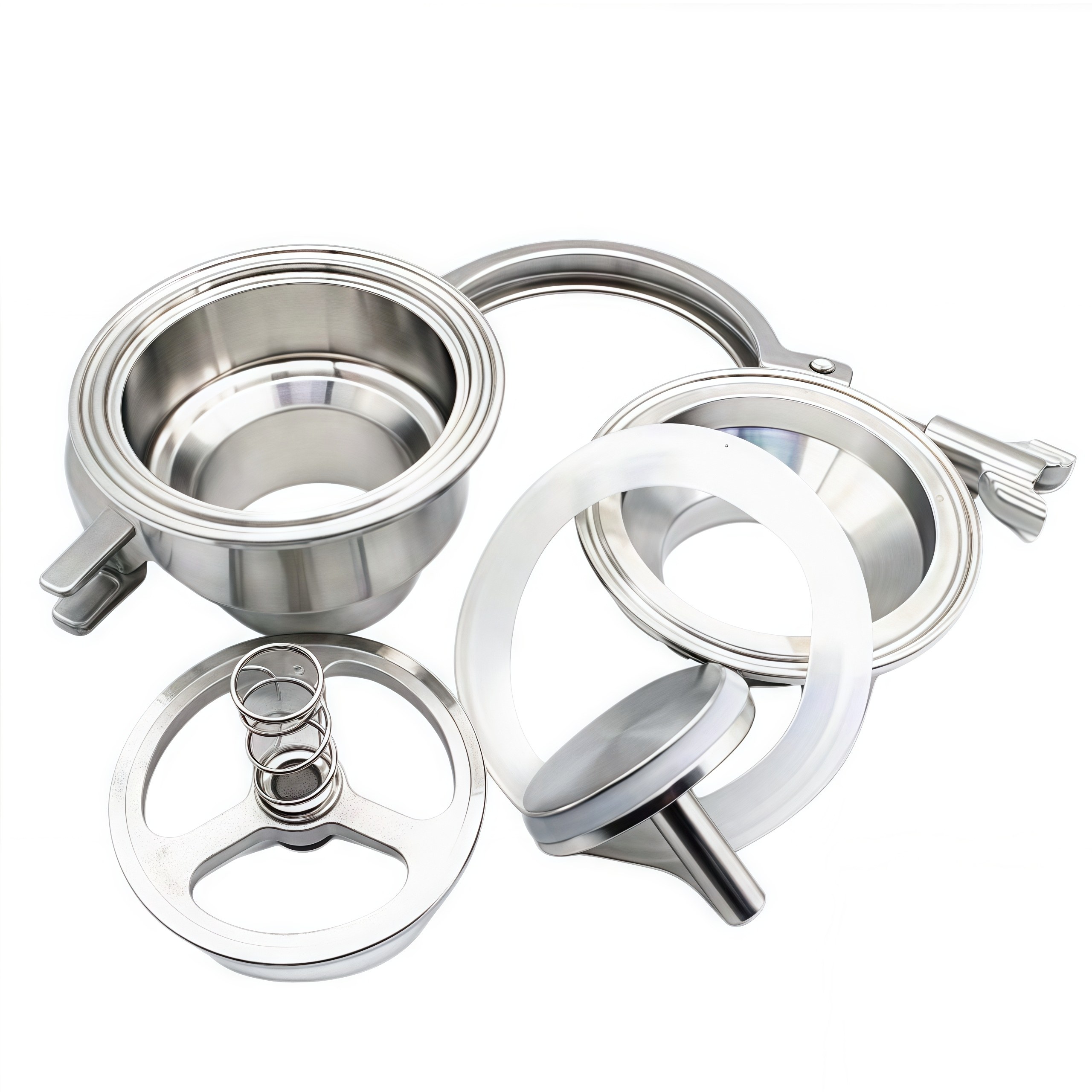
How to Properly Install a Check Valve
1. First, ensure the interface between the piping system and the sanitary check valve is clean, dry, and free of burrs.
2. Before installation, inspect the valve body for damage or defects, such as worn sealing surfaces or loose bolts.
3. Select the appropriate valve size and connection type based on system requirements.
4. Align the welded check valve connection with the corresponding pipe interface and clamp using the appropriate tool.
5. During installation, tighten the bolts evenly and promptly to avoid uneven pressure distribution. Exercise caution during clamping to prevent excessive force that could damage the check valve or piping.
If the sanitary butt weldcheck valve remains idle for extended periods, internal components may malfunction due to sediment buildup.
Therefore, after installation, conduct regular inspections and clean the internal components to prevent unnecessary damage!