

- Home
- >
- Products >
- Sanitary Valve >
- Sanitary Butterfly Valve
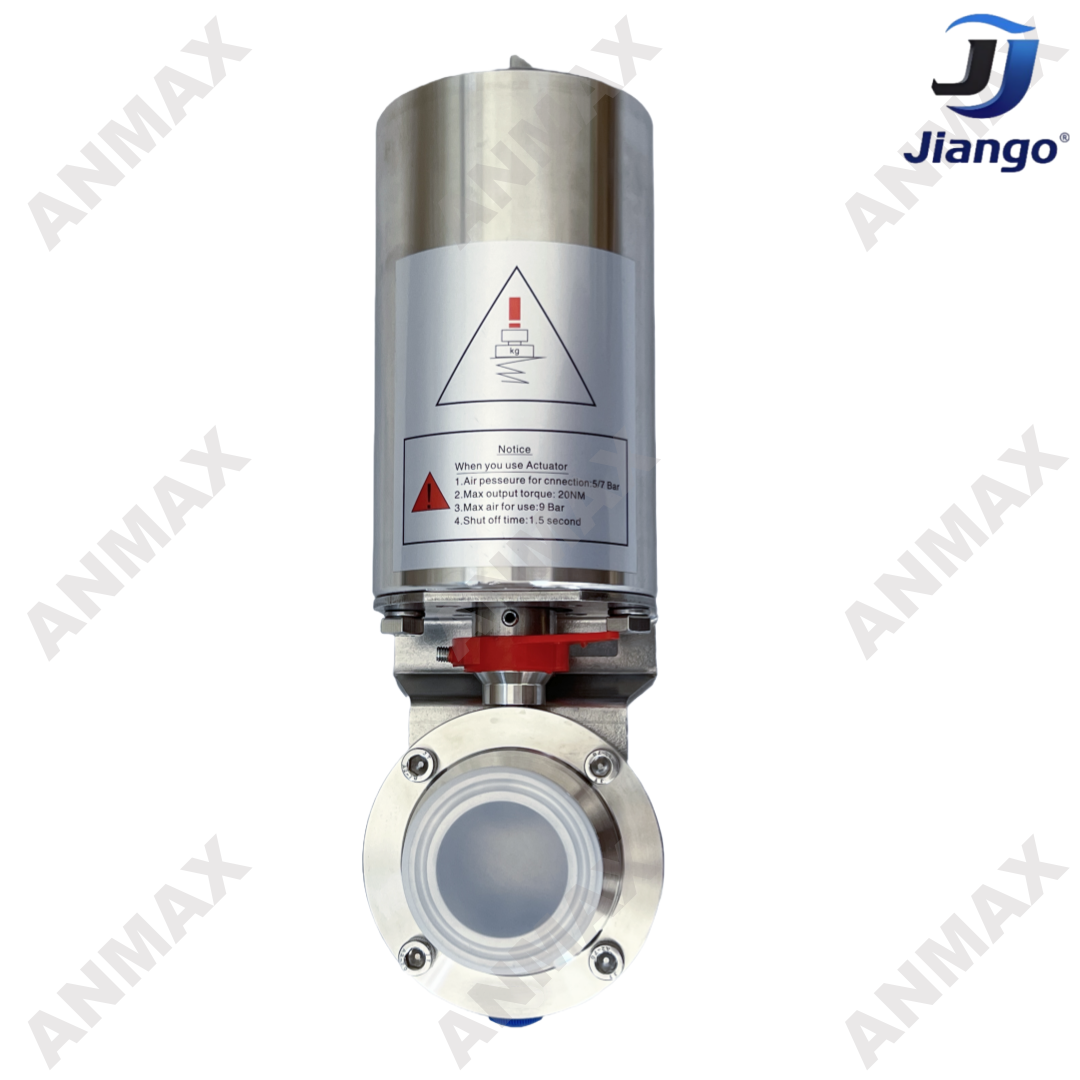
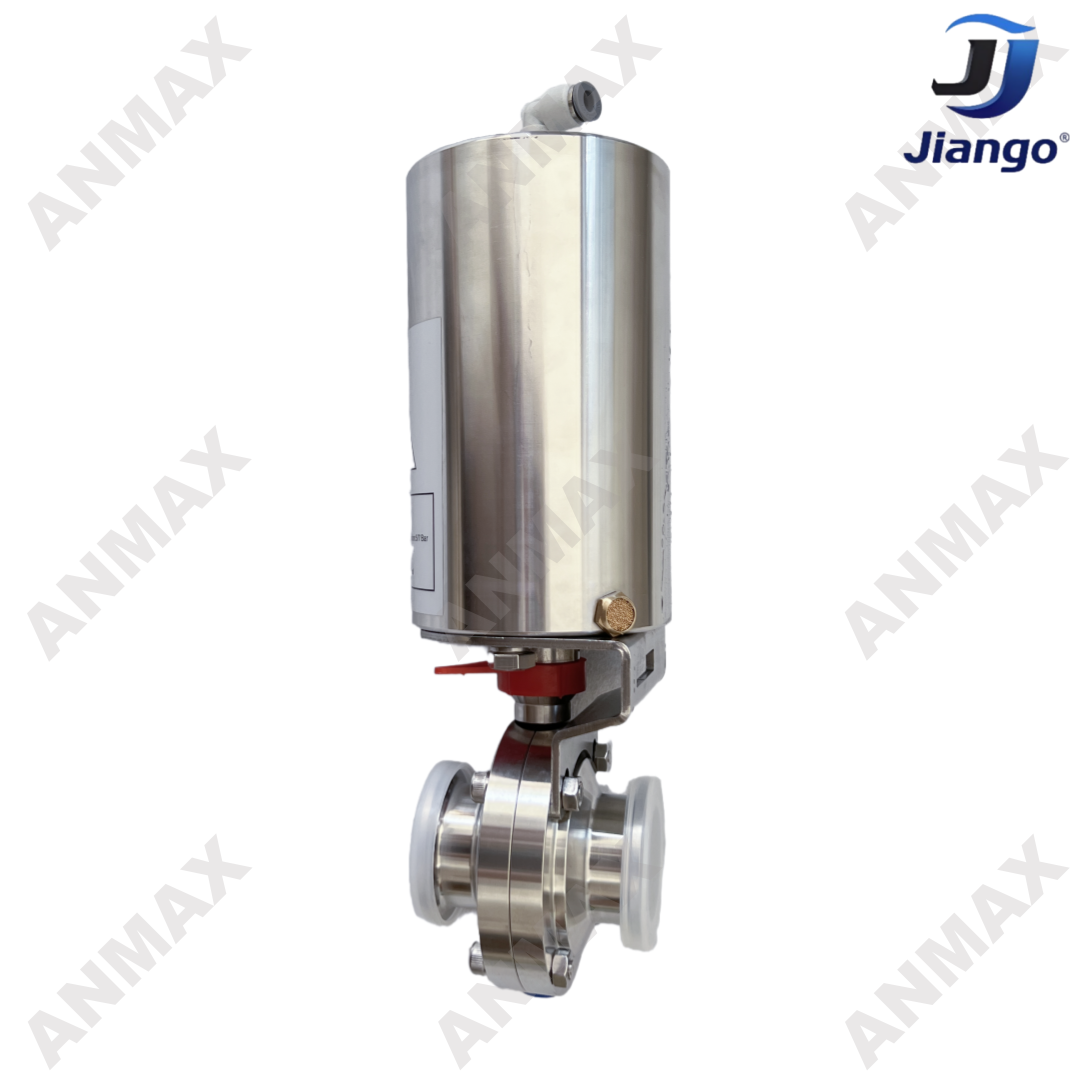
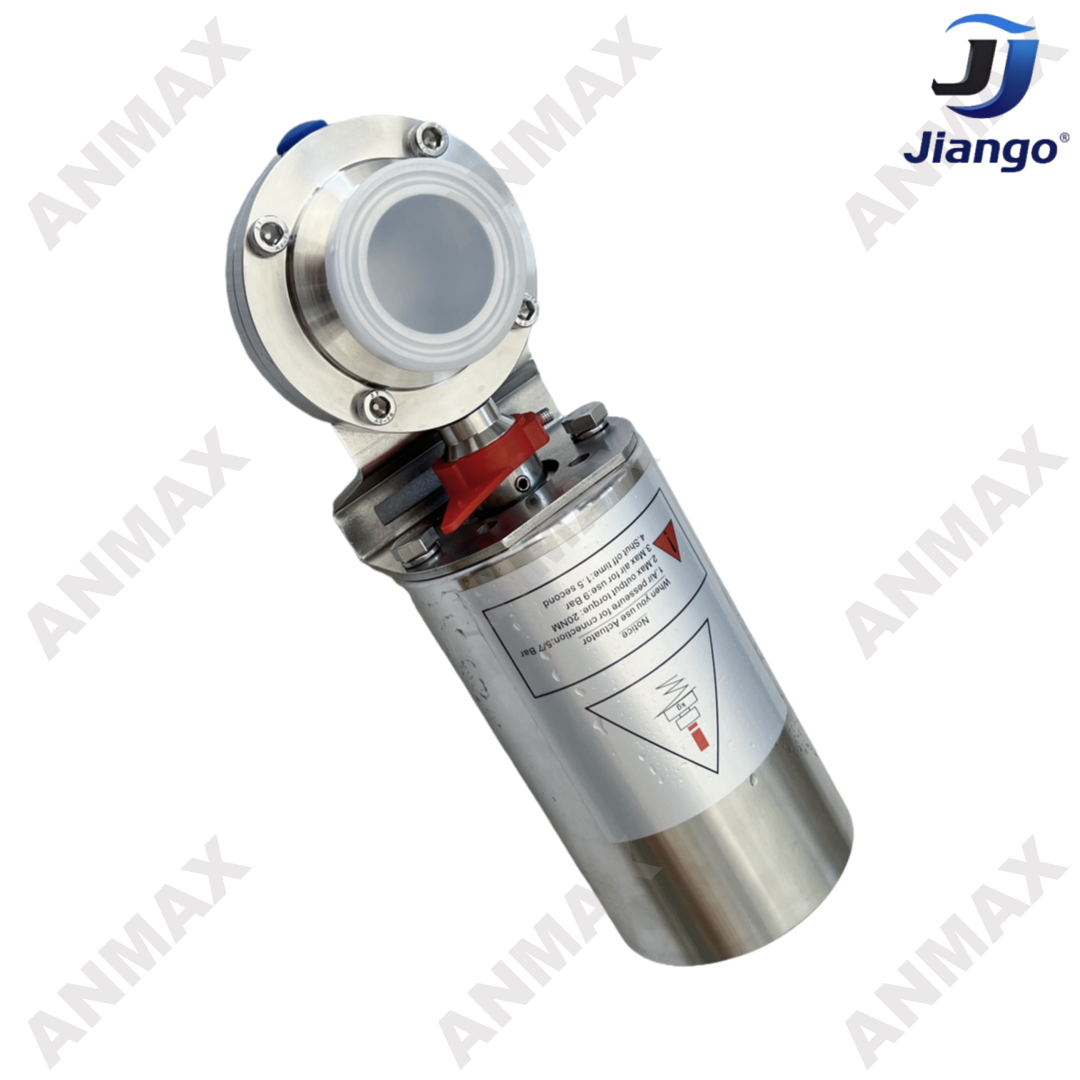
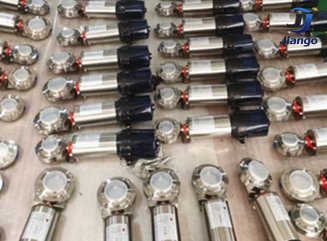
Sanitary Butterfly Valve With Pneumatic Actuator
Material : Stainless Steel 304 or 316L
Size : 1/2"-12",DN15-DN300
Connection : Clamp
100% tested and inspected
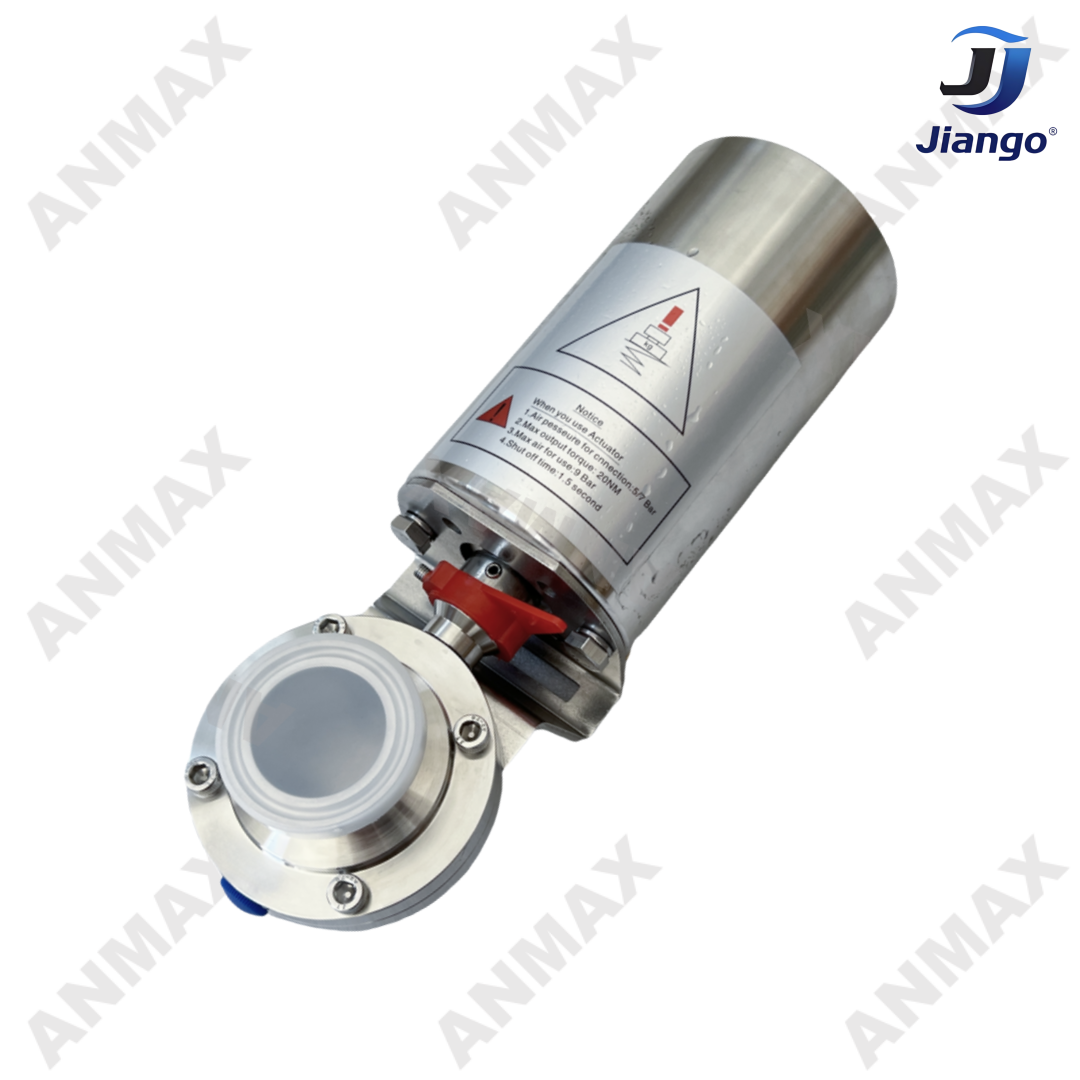
Sanitary butterfly valves are specifically designed for use in hygienic environments, where the prevention of contamination and the maintenance of cleanliness are essential.
These sanitary valves are typically made of corrosion-resistant materials such as stainless steel and are equipped with smooth surfaces and crevice-free designs to minimize the accumulation of food particles or bacteria.
They are also easy to clean and disinfect, ensuring that the fluid flowing through them remains uncontaminated
|
Name |
Sanitary Tri-Clamp Pneumatic Butterfly Valve |
|
Material |
Stainless steel 304, 316L |
|
Size |
1/2"-12",DN10-DN300 |
|
Seal |
EPDM, NBR, PTFE or according to customers |
|
Surface |
Inside Ra ≤ 0,8 µm |
|
Max Pressure |
10Bar |
|
Working Temperature |
-10℃ ~ +120℃ |
|
Way of Connection |
Threaded, Welded, Clamped,Flanged |
|
Pneumatic Actuator Types |
SS304 vertical actuator, NC (normally close) / NO (normally open) / AA (air to air) |
|
Package |
Foam bag/shrink bag-carton box-ply woodencase |
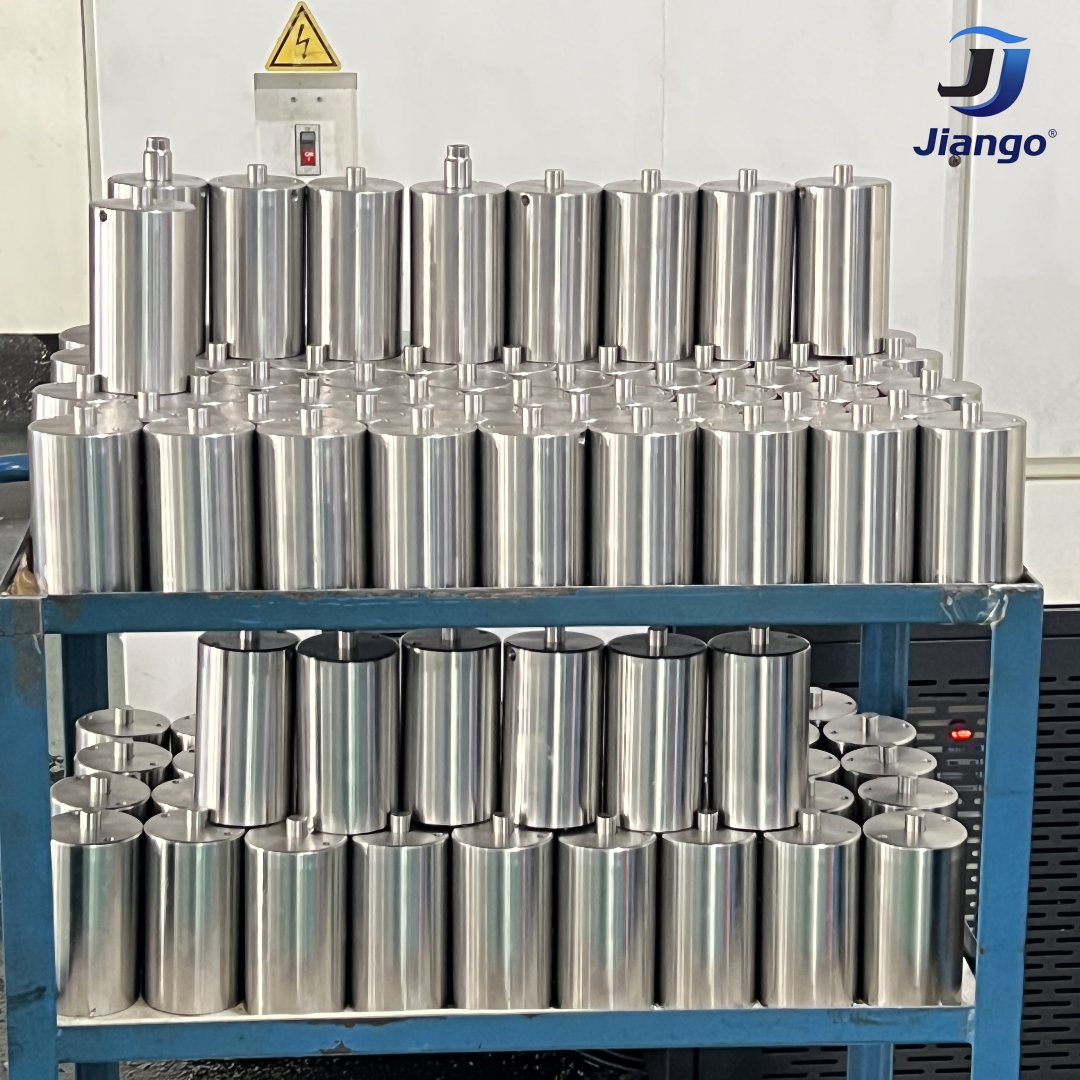
Sanitary Butterfly Valve Test
Bubble method
After pressurizing the valve with gas, it is immersed in the liquid.
The gas will escape from any leak and form bubbles in the surrounding liquid. The position of the bubbles indicates the location of the leak
Soap Bubble Method
After pressurizing the valve with gas, apply a soap solution to the potential leak area. The appearance of soap bubbles indicates a leak. This method typically requires manual observation and assessment of the bubble size.
Hydrostatic method
Fill the valve with water and then pressurize it. Observe if water leaks from any part of the valve.
Pressurization method
Connect the compressor to the valve to pressurize. After reaching a certain pressure, stop pressurizing,
close the valve and monitor for a period of time. A sharp pressure drop indicates a serious leak,
while a minimal or no change in pressure drop indicates a small or no leak. Pressure gauges are usually used to observe pressure changes.