

- Home
- >
- Products >
- Sanitary Valve >
- Sanitary Diaphragm Valve
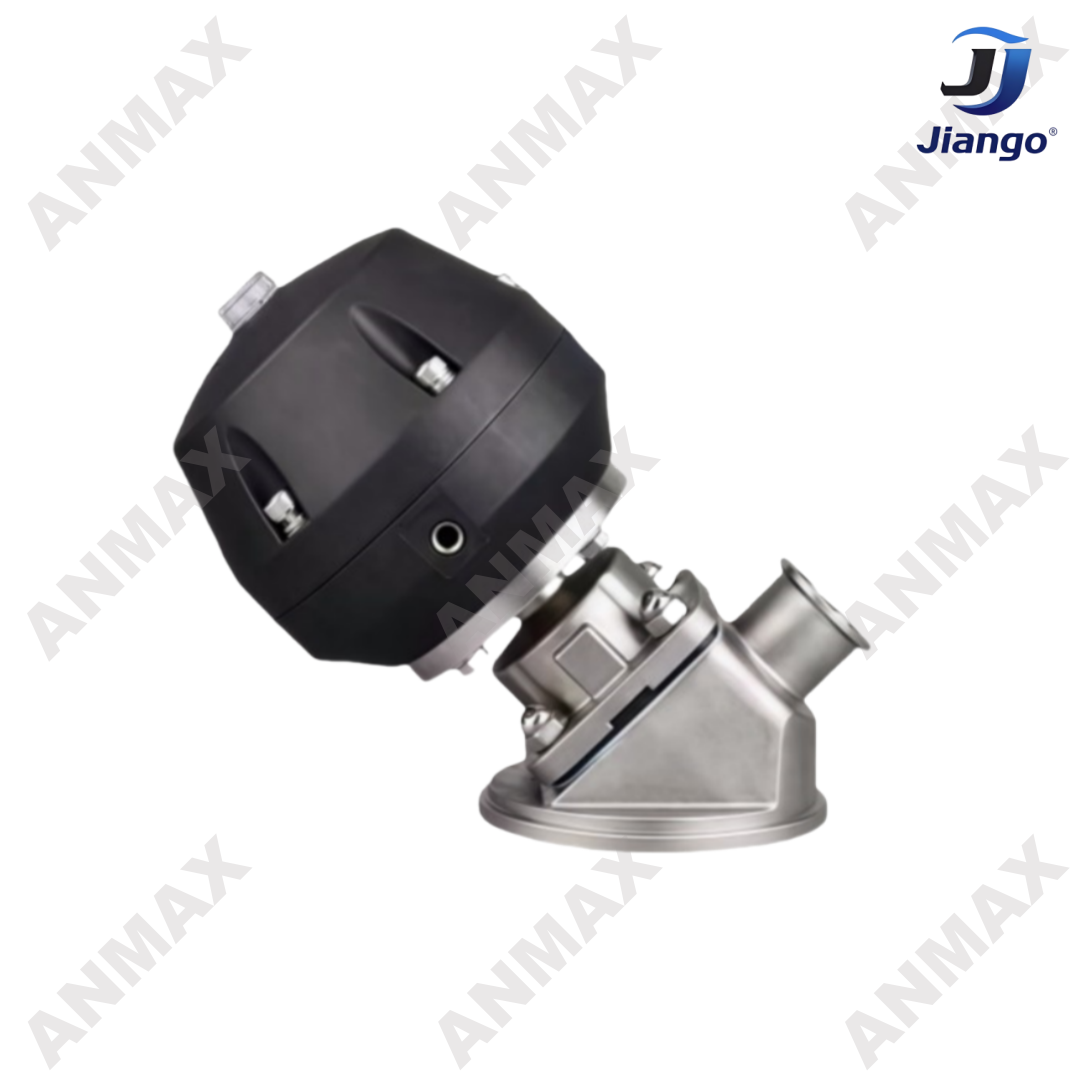
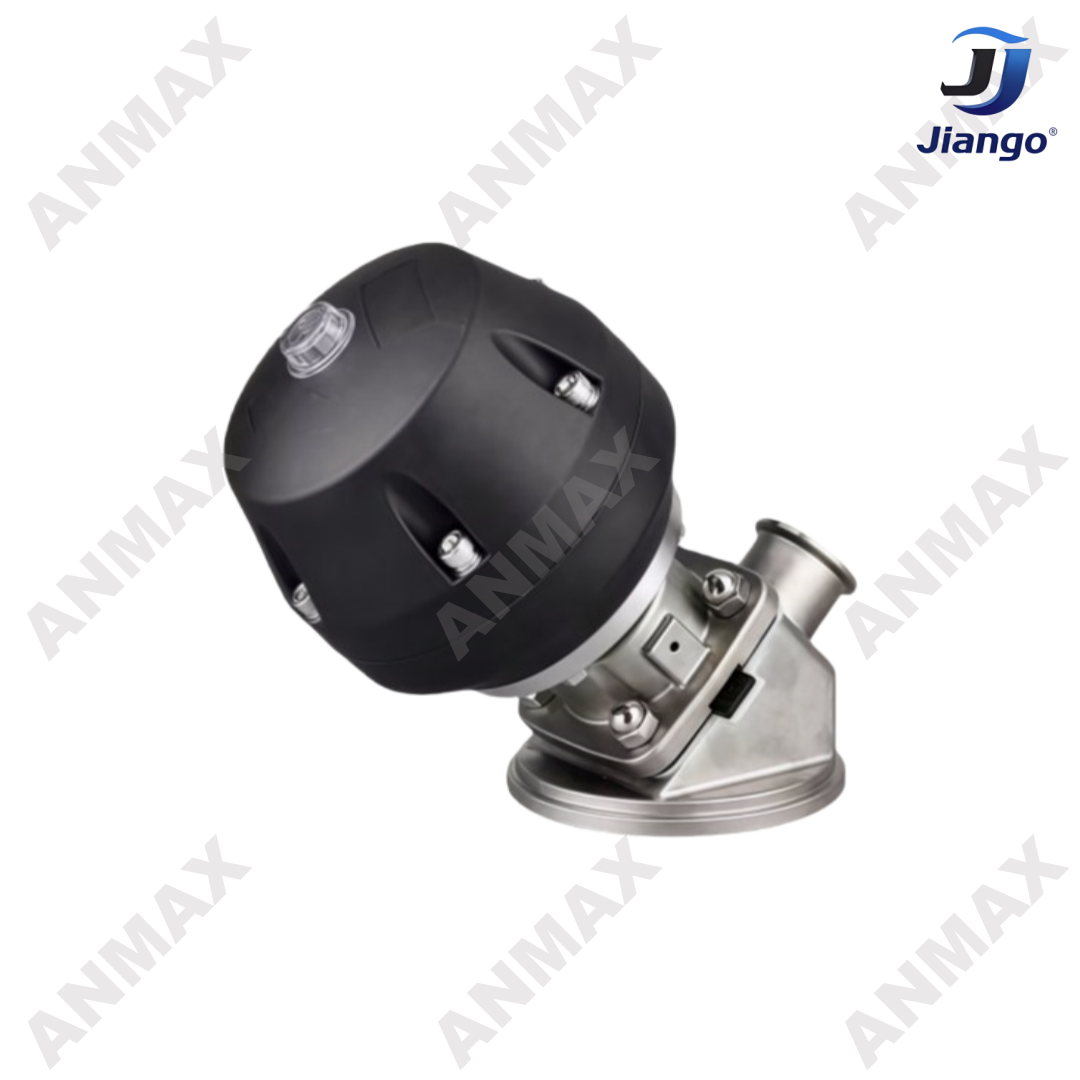
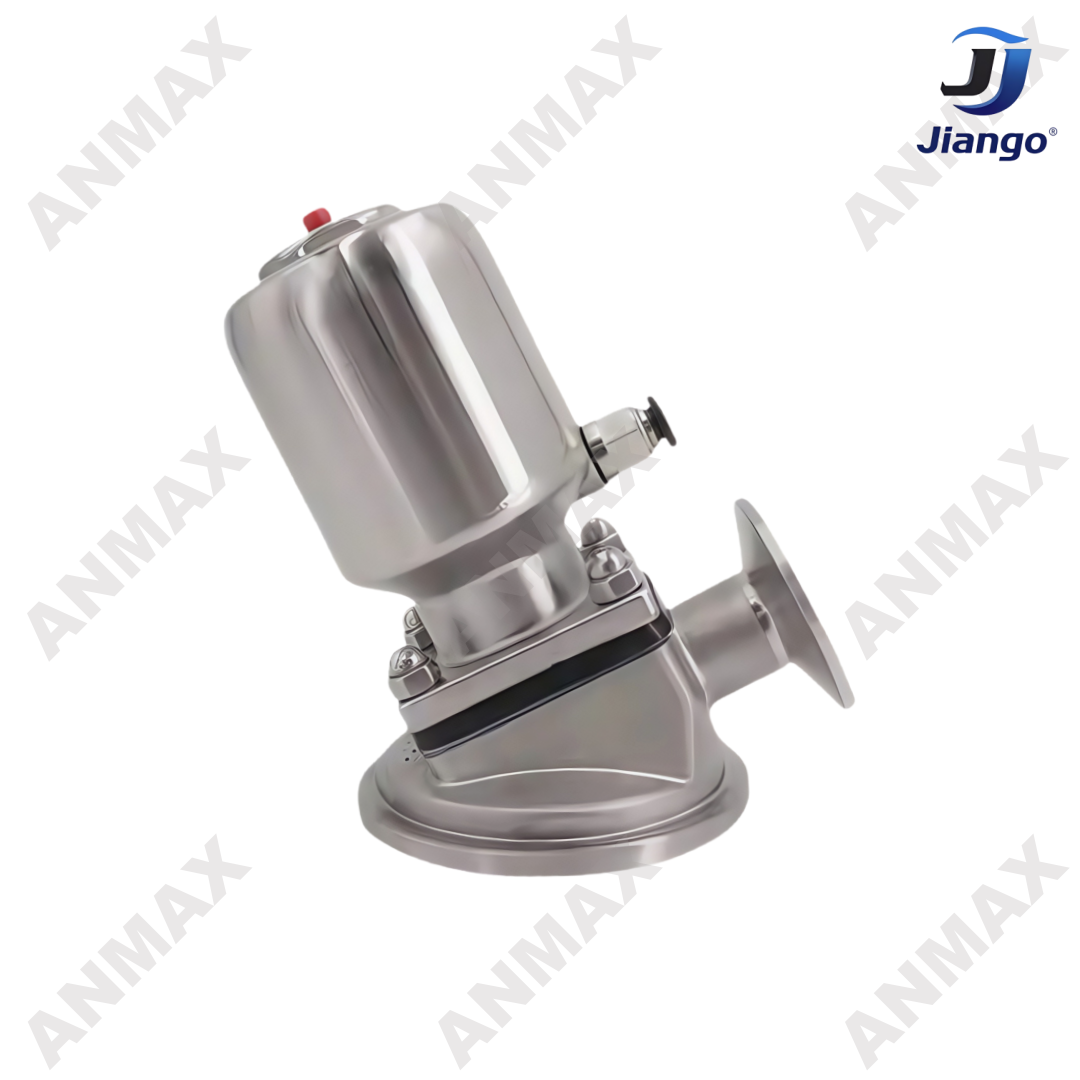
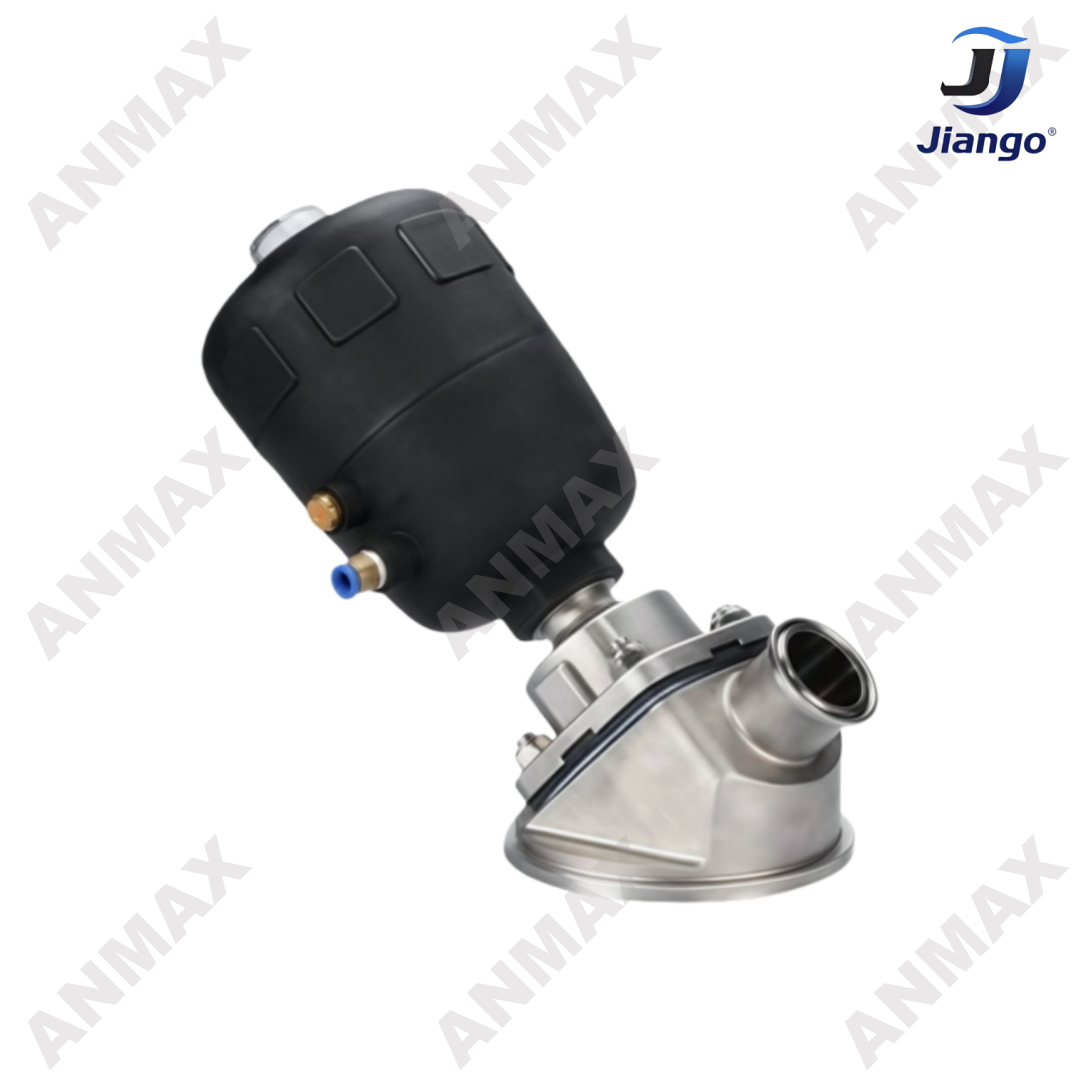
Aseptic Pneumatic Tank Bottom Diaphragm Valvel
Material : Stainless Steel 316L
Size : 1" - 4" ,DN25 - DN100
Connection : Clamp
100% hydraulic tested / 100% inspected
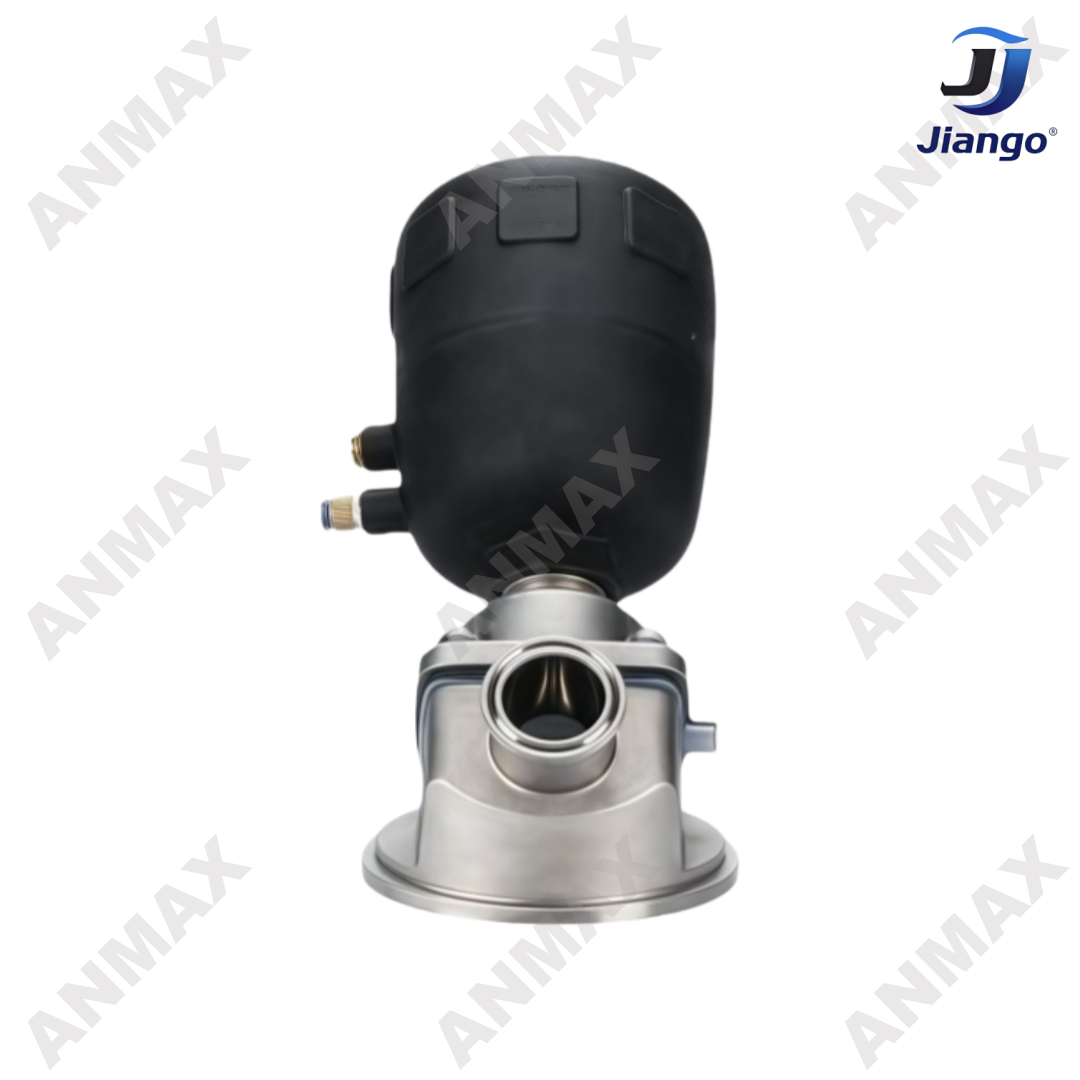
Operating Principles : Upon receiving a signal, the pneumatic actuator drives the diaphragm to open or close the valve.
Since the diaphragm is isolated from the fluid medium, it effectively prevents fluid leakage and contamination.
Additionally, pneumatic actuators offer high control precision, enabling accurate regulation and adjustment.
Wide range of applications : The Pneumatic tank bottom diaphragm valves is widely used in many industries,
such as food, wine, beverage, dairy products, fine chemicals, pharmaceuticals and bioengineering.
In these industries, maintaining high standards of hygiene and preventing contamination are critical.
Proper installation can effectively extend the service life of diaphragm valves and significantly reduce the time required for maintenance.
|
Name |
Aseptic Pneumatic Tank Bottom Diaphragm Valve |
|
Material |
Stainless steel 316L |
|
Size |
1" - 4" ,DN25 - DN100 |
|
Seal |
EPDM+PTFE double seal, EPDM or according to customers |
|
Standards |
3A/DIN/SMS/RJT/ISO/IDF |
|
Surface |
Ra16-32µin (0.4-0.8µm) |
|
Max Pressure |
10Bar |
|
Working Temperature |
-20°C ~ +150°C |
|
Way of Connection |
Tri-Clover/Clamp End,Thread End,Butt Weld End |
|
Package |
Foam bag/shrink bag-carton box-ply woodencase |
Before installing the diaphragm valve, note the following:
Before installation, thoroughly clean and rinse the valve body to remove any dust, debris, or oil residue.
Select sealing materials that meet hygiene standards, such as silicone, EPDM rubber, PTFE, etc.
The selected connection method should be suitable for the application and necessary sealing measures should be taken to prevent leakage.
Choose the appropriate valve connection position and direction.
After installation, manually operate the valves or test the actuators to ensure smooth and unobstructed valve opening and closing.